
Stainless Steel Safety Wire: Reliable Locking Solutions for Industrial Fasteners
Stainless steel safety wire is a specialized fastening material used to prevent bolts, nuts, and other fasteners from loosening under vibration, heat, or mechanical stress. In industries where safety and reliability are non-negotiable—such as aerospace, automotive, marine, and heavy machinery—this type of locking wire ensures critical components remain securely fastened throughout operation.
Unlike general-purpose wire, safety locking wire is designed for precise installation and consistent performance. It forms a tensioned loop that locks fasteners in place, reducing the risk of unexpected failure or downtime.
Why Choose Stainless Locking Wire for Critical Applications?
A primary reason for choosing stainless steel is its corrosion resistance and heat stability. Unlike coated steel wire, stainless material does not depend on a protective layer that can wear off over time. This makes it ideal for environments exposed to moisture, saltwater, chemicals, and elevated temperatures.
Common stainless grades used for locking applications include 304 and 316. Grade 304 offers strong corrosion resistance for general industrial use, while 316 provides enhanced protection for marine and chemical environments. Both grades maintain flexibility, allowing the wire to be twisted and secured without breaking.
Key Applications Across Industries
Locking wire is widely used where fasteners are exposed to vibration or dynamic movement. Typical applications include:
-
Aircraft engines and airframe assemblies
-
Automotive engines, transmissions, and brake systems
-
Industrial rotating equipment and heavy machinery
-
Marine vessels and offshore installations
-
Power generation equipment and maintenance operations
In these environments, safety locking wire functions as a secondary safeguard, preventing critical fasteners from backing out and causing mechanical failures.
How It Works: The Principle of Safety Locking
The locking wire is threaded through holes in fastener heads or drilled components, then twisted to create opposing tension. This tension prevents rotation and ensures the fastener remains secure even under strong vibration. The installation technique is as important as the material itself—incorrect twisting can reduce locking effectiveness.
Many professionals use specialized pliers designed for safety wire installation. These tools ensure consistent twisting and help maintain the correct tension. The right diameter and wire type should match the fastener size and application conditions to guarantee performance.
Comparing Stainless Locking Wire with Other Wire Products
Stainless Locking Wire vs Galvanized Wire
Galvanized wire is commonly used for general binding, tying, and fencing support. While it provides basic corrosion protection through zinc coating, it is not engineered for high-temperature or high-vibration locking applications. Stainless locking wire, however, maintains strength and stability without relying on coatings.
Stainless Locking Wire vs Plain Carbon Wire
Plain carbon wire is economical and suitable for non-critical tying tasks. However, it is prone to rust and loses mechanical performance in harsh environments. For safety-critical fastening, stainless material is a more reliable choice.
Stainless Locking Wire vs Wire Mesh and Welded Mesh
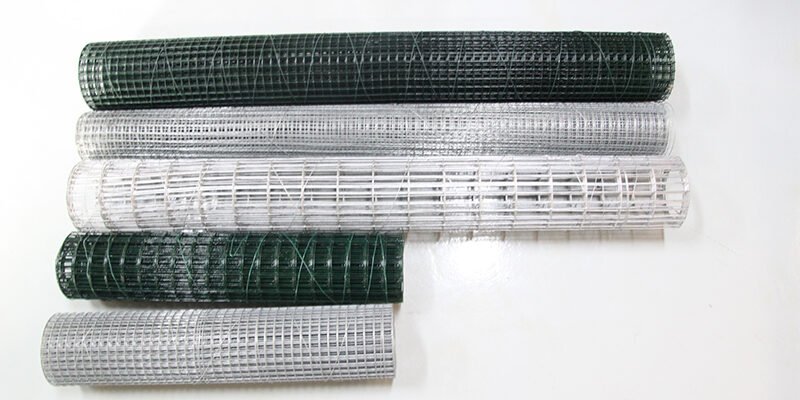
Wire mesh products, including welded wire mesh panels, are designed for enclosure, fencing, and protective guarding. They serve area protection rather than component fastening. While mesh provides physical barriers and structural containment, locking wire secures individual fasteners. In industrial setups, both can be used together: mesh for guarding machinery and locking wire for securing critical fasteners within the system.
Selecting the Right Wire for Your Project
Choosing the correct locking wire involves considering several factors:
-
Fastener size and hole diameter
-
Required tensile strength
-
Operating temperature and vibration level
-
Environmental exposure (saltwater, chemicals, humidity)
-
Industry standards and safety requirements
Using too thin a wire can lead to breakage, while overly thick wire may be difficult to twist properly. For critical applications, it is always recommended to follow manufacturer specifications and industry guidelines.
Installation Tips for Long-Term Reliability
To ensure reliable performance, follow these best practices:
-
Use appropriate safety wire pliers for consistent twists
-
Ensure the wire is threaded through the correct holes and aligned properly
-
Avoid over-twisting, which can weaken the wire
-
Replace wire during maintenance rather than reusing old wire
-
Choose the correct wire grade for the working environment
These steps help maintain secure fastening and reduce the risk of failure due to loosening.
Why Factory-Direct Supply Matters for B2B Buyers
For large projects and maintenance operations, sourcing from a factory-direct supplier ensures consistent quality, stable supply, and competitive pricing. Bulk orders can be customized by diameter, grade, and packaging, which is essential for industrial buyers who require standardization and traceability.
Working with a trusted manufacturer also allows buyers to access technical support, sample testing, and compliance documentation, ensuring the product meets the project’s safety and performance requirements.
Get Professional Wire Mesh Solutions for Poultry Projects
Looking for reliable chicken wire, welded wire mesh, or poultry fencing solutions for farms or bulk projects?
We supply factory-direct wire mesh with stable quality, export-ready packaging, and custom specifications.
📲 WhatsApp: +86 18830227875
Contact us now for technical support, samples, and a fast quotation.
Manufacturer | Wholesale Supply | OEM Available
Frequently Asked Questions (FAQ)
1. What is stainless steel wire used for?
Stainless steel safety wire is used to secure fasteners such as bolts and nuts that may loosen due to vibration, pressure, or movement. It is commonly applied in aerospace, automotive, industrial machinery, marine, and power generation industries.
2. Why is stainless steel wire preferred over galvanized wire?
Stainless steel safety wire offers superior corrosion and heat resistance without relying on surface coatings. Unlike galvanized wire, it maintains stable performance in high-temperature, high-vibration, and corrosive environments.
3. What grades of safety wire are commonly used?
The most common grades are 304 stainless steel for general industrial use and 316 stainless steel for marine, offshore, and chemical environments where higher corrosion resistance is required.
4. How do I choose the correct wire diameter?
The correct wire diameter depends on the size of the fastener and the required tensile strength. Using a wire that is too thin may reduce locking effectiveness, while a wire that is too thick can be difficult to install properly.
5. Can stainless steel safety wire be reused?
No. Stainless steel safety wire should not be reused. Once twisted and removed, the wire may lose its original strength and reliability. For safety-critical applications, new wire should always be used.
6. Is stainless steel safety wire suitable for high-temperature applications?
Yes. Stainless steel safety wire performs well under elevated temperatures and thermal cycling, making it suitable for engines, power generation equipment, and other heat-intensive applications.
Related Posts

Post a Comment