
Roofing Nails with Rubber Caps — The Key to Leak-Resistant Roof Installations
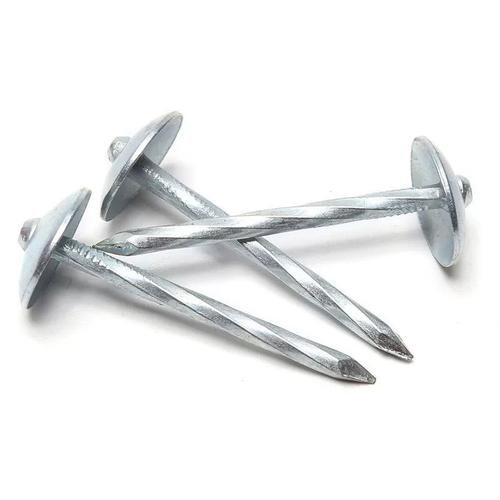
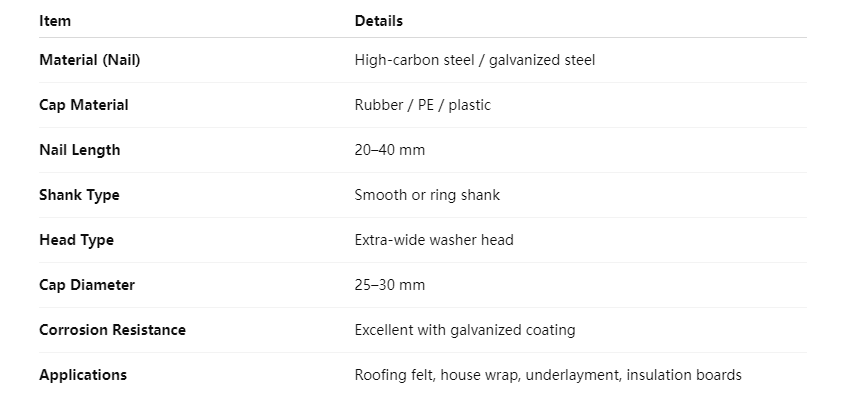
A roofing nail with rubber caps is an essential fastener for projects where waterproofing and secure attachment are critical. These nails combine a steel shank with a wide plastic or rubber washer, creating a tighter seal that prevents water from penetrating roofing felt, underlayment, house wrap, or insulation panels. Because the washer compresses against the surface, it provides excellent protection against wind uplift, moisture intrusion, and material shifting.
Contractors rely on this type of fastener because it adds both holding strength and a protective barrier—two features that standard nails cannot provide on their own. The rubber cap distributes pressure over a larger surface area, reducing the chance of tearing lightweight materials such as roofing felt or tar paper. This makes them ideal for residential roofs, sheds, construction wrap, garden buildings, and temporary outdoor applications.
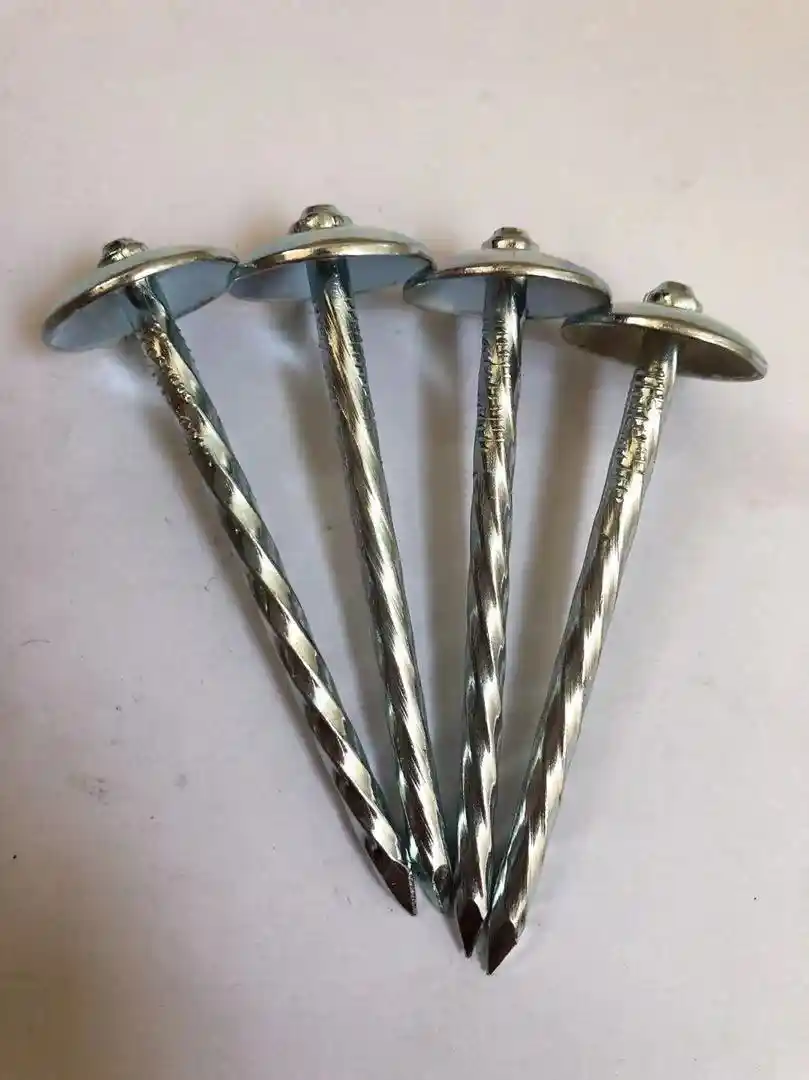
These nails are commonly used in climates with frequent rainfall or strong winds. The rubber washer ensures a reliable seal even when the building materials expand or contract due to temperature changes. In addition, they are easy to drive with a hammer or pneumatic nailer, making installation quick and consistent.
Another advantage is their visibility. Many rubber caps are brightly colored, helping workers identify areas already secured and maintain even spacing. This feature is especially useful on large roofing projects.
By choosing roofing nails with rubber caps, you add an extra layer of confidence to any roofing or sheathing job. Their weather-resistant design, combined with dependable steel strength, makes them one of the most practical fasteners for long-term outdoor durability
✅ FAQ
Q1: Why do roofing nails have rubber caps?
The rubber caps compress to create a waterproof seal, preventing leaks and improving wind resistance.
Q2: Can these nails be used on all roofing materials?
They are ideal for felt, underlayment, and wrap materials but not recommended for shingles.
Q3: Do rubber caps degrade over time?
High-quality caps are UV-resistant and withstand years of outdoor exposure.
Q4: Are ring shank nails better than smooth shank?
Yes. Ring shank nails grip the material more tightly and resist pull-out in strong winds.
Q5: Can they be used with a nail gun?
Many styles are compatible with cap nailers, making installation faster and more accurate.
Related Posts

Post a Comment