
How to Install a Chicken Wire Fence: A Professional Guide for Farm & Project Use
Installing a chicken wire fence is one of the most common and cost-effective solutions for poultry protection, garden fencing, and small animal enclosures. While chicken wire is widely used due to its flexibility and affordability, proper installation—and correct mesh selection—are critical to long-term performance, durability, and safety.
This guide explains how to install a chicken wire fence step by step, while also comparing chicken wire with other wire mesh products such as welded wire mesh, livestock fencing, and hexagonal mesh alternatives, helping buyers and project managers choose the right solution for different applications.
1. Understanding Chicken Wire and Its Applications
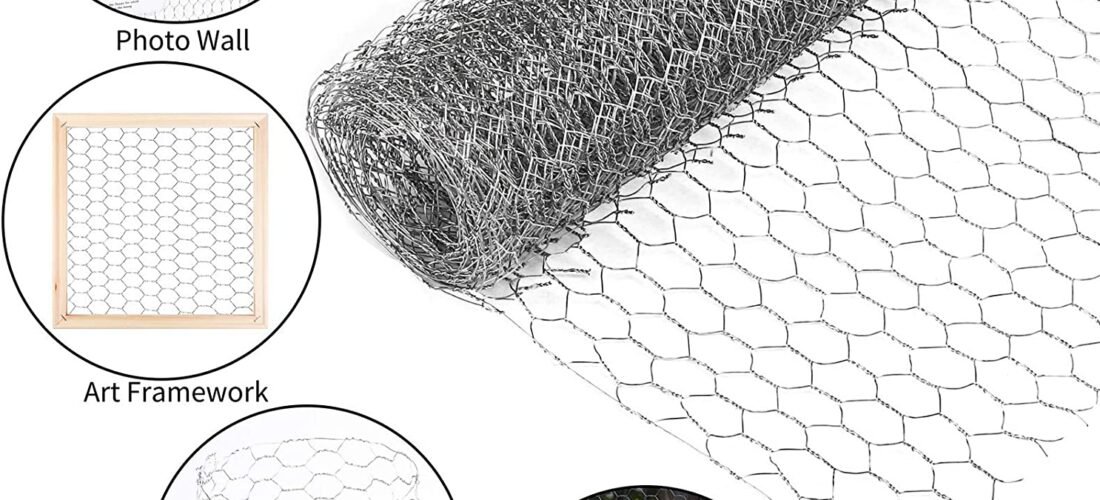
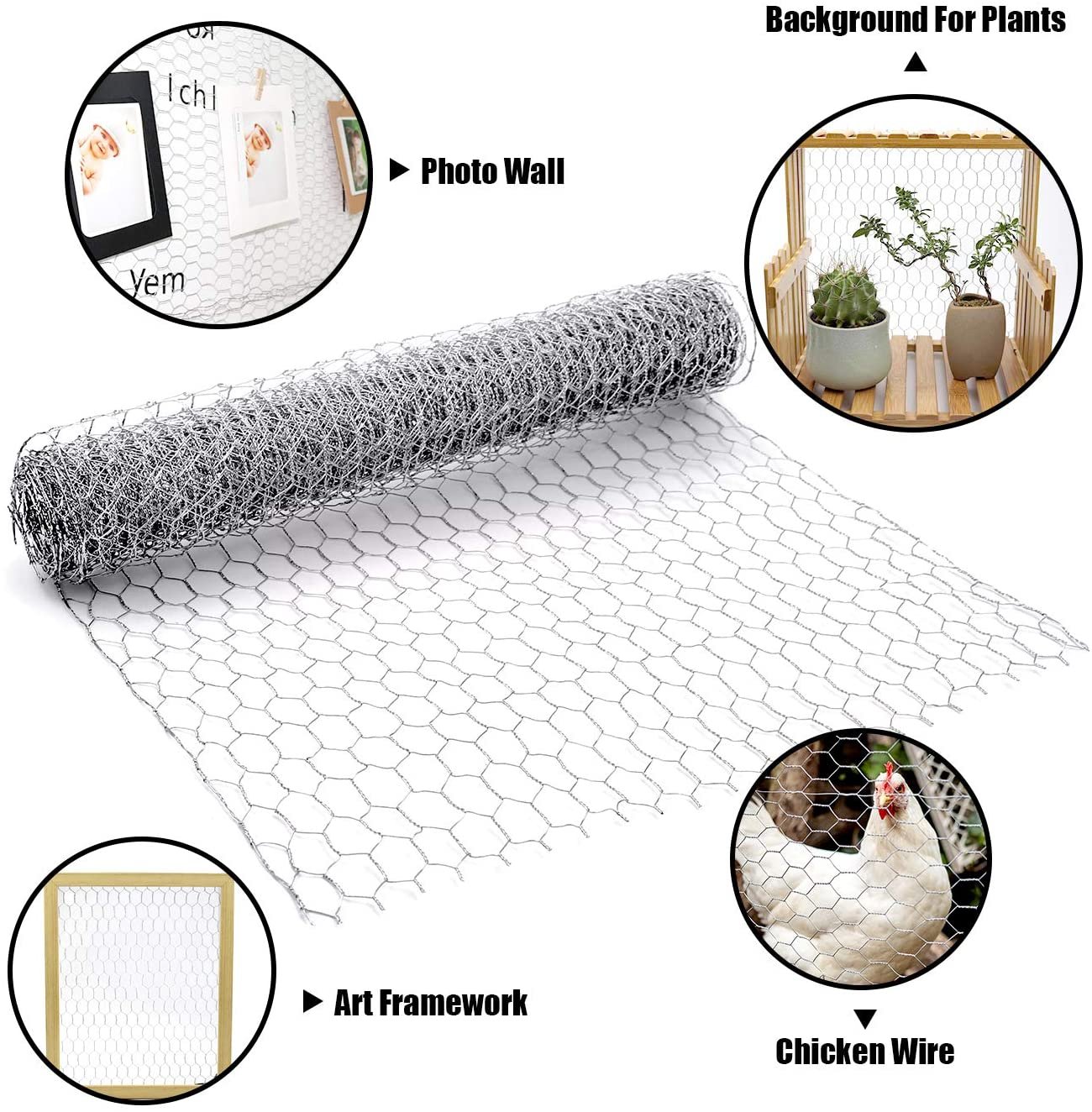
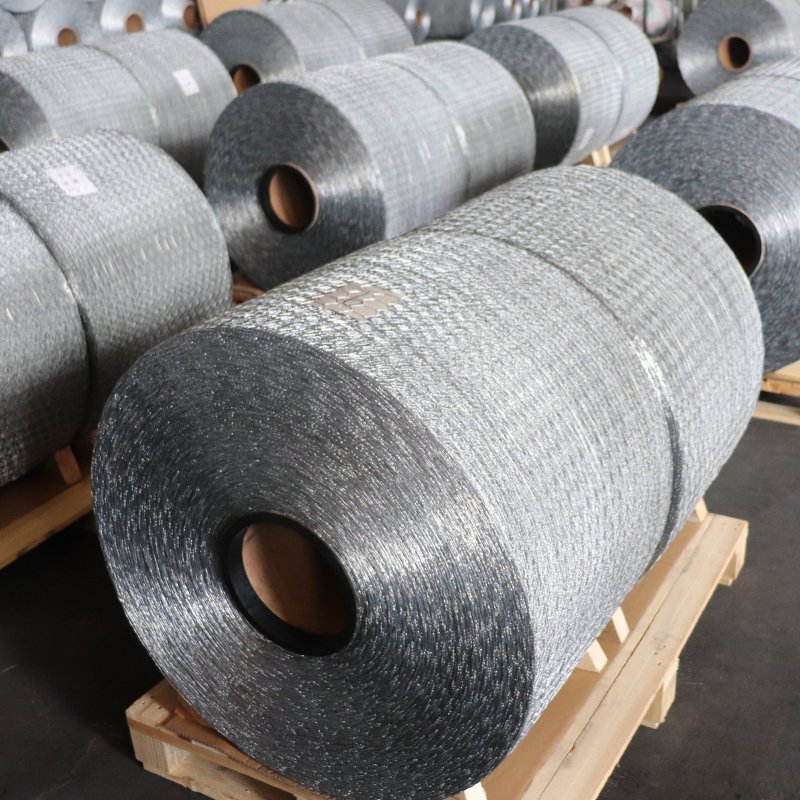
Chicken wire, also known as hexagonal wire mesh, is typically made from galvanized or PVC-coated low-carbon steel wire twisted into a hexagonal pattern. It is lightweight, flexible, and easy to cut or shape on-site.
Common applications include:
-
Poultry fencing for chickens and ducks
-
Garden and plant protection
-
Temporary animal enclosures
-
Light-duty farm partitions
However, chicken wire is mainly designed to keep animals in, not to stop strong predators out. This is an important factor when planning installation and selecting mesh types.
2. Tools and Materials Required for Installation
Before starting installation, prepare the following materials:
-
Chicken wire mesh rolls (galvanized or PVC coated)
-
Fence posts (wooden posts or steel T-posts)
-
Fence staples or wire ties
-
Tension wire (optional, for reinforcement)
-
Pliers and wire cutters
-
Measuring tape and gloves
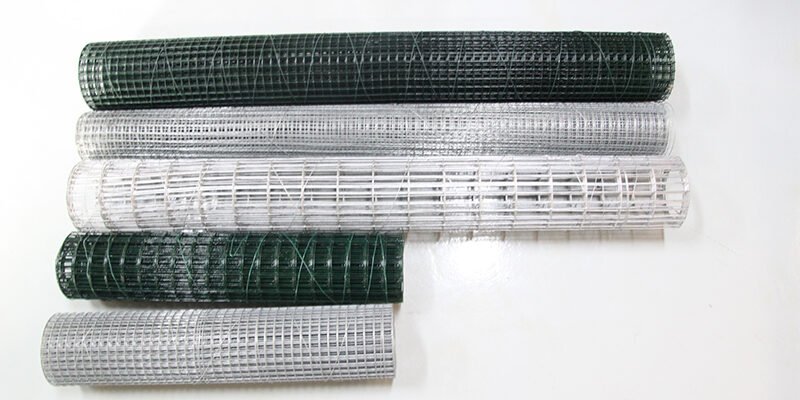
For commercial farms or long fence lines, welded wire mesh or reinforced poultry netting may be considered as alternatives due to higher rigidity.
3. Step-by-Step: How to Install a Chicken Wire Fence
Step 1: Mark the Fence Line
Measure and mark the fencing area clearly. Ensure the fence layout avoids sharp corners where chicken wire may sag over time.
Step 2: Install Fence Posts
Set fence posts at intervals of 1.5–2.5 meters (5–8 feet). Wooden posts offer easy fastening, while steel posts provide better durability for long-term farm use.
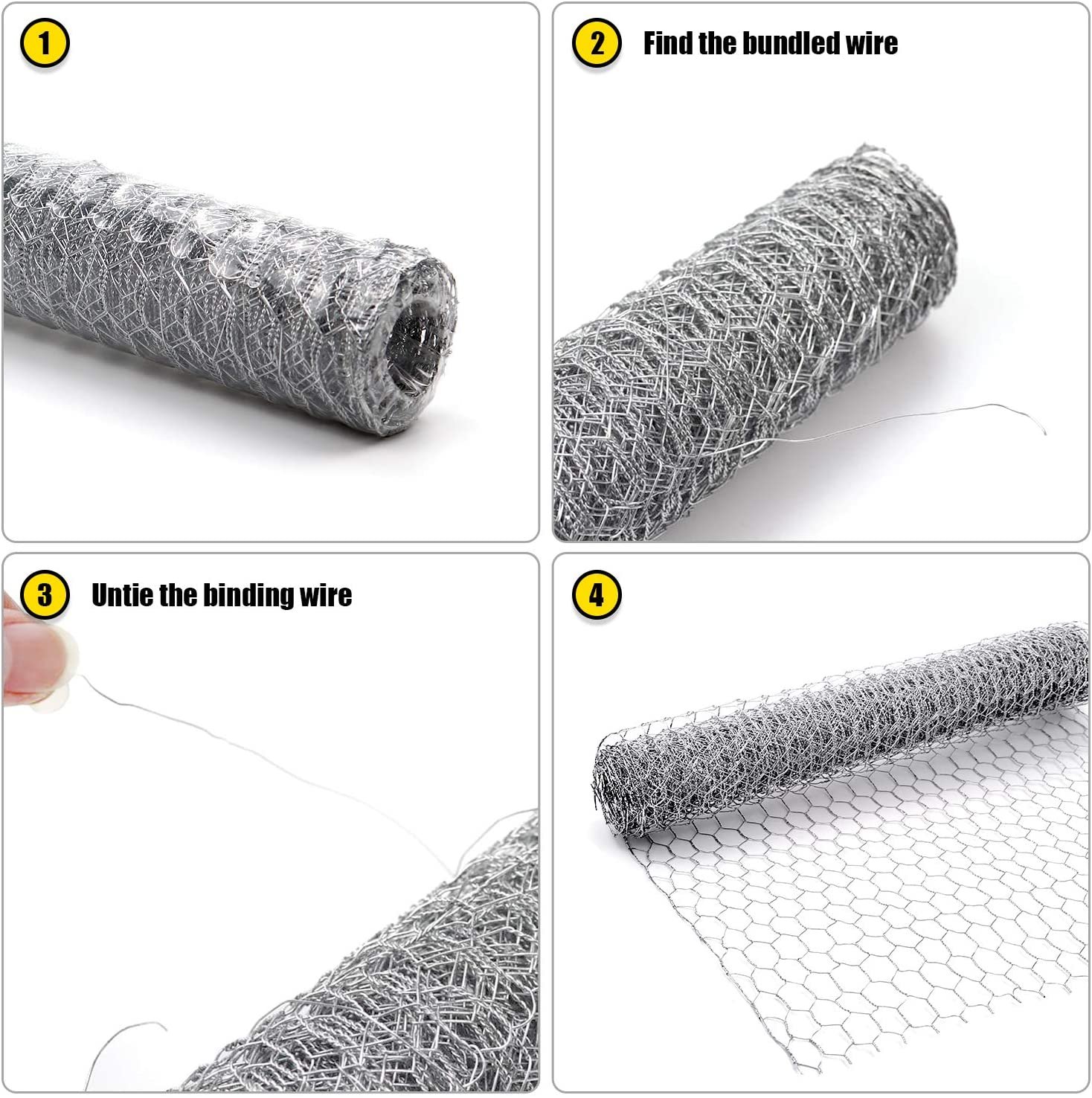
Step 3: Attach the Chicken Wire
Unroll the chicken wire along the fence line. Start at one end and secure the mesh to the first post using staples or wire ties. Keep the mesh slightly raised from the ground initially.
Step 4: Stretch and Secure
Pull the wire tight as you move along the posts. Although chicken wire is flexible, tension helps prevent sagging. For larger installations, adding a top tension wire improves stability.
Step 5: Secure the Bottom Edge
To prevent animals from digging under the fence, bury the bottom of the mesh 10–15 cm (4–6 inches) underground or bend it outward in an apron shape.
4. Comparing Chicken Wire with Other Wire Mesh Products
While chicken wire is popular, it is not always the best solution for every project. Below is a comparison with other commonly used wire mesh types:
Chicken Wire (Hexagonal Wire Mesh)
-
Flexible and lightweight
-
Cost-effective for poultry and gardens
-
Easy to install and transport
-
Lower strength and impact resistance
Welded Wire Mesh
-
Strong welded intersections
-
Rigid structure, does not deform easily
-
Ideal for poultry cages, farm fencing, and security applications
-
Higher cost but longer service life
Livestock / Farm Fencing
-
Designed for larger animals
-
Thicker wire diameter and wider mesh openings
-
Suitable for cattle, goats, and sheep
-
Not ideal for small poultry without additional mesh layers
Specialized Poultry Mesh
-
Reinforced hexagonal or welded structure
-
Often galvanized after welding for corrosion resistance
-
Designed for long-term chicken farms and commercial poultry projects
For commercial chicken farms, welded wire mesh is often preferred over traditional chicken wire due to its strength, uniform openings, and lower maintenance requirements.
5. Choosing the Right Mesh for Your Project
When deciding how to install a chicken wire fence, it is equally important to choose the correct material based on:
-
Fence height and length
-
Animal type and predator risk
-
Environmental conditions (humidity, coastal areas)
-
Expected service life
-
Budget and maintenance capability
Chicken wire is suitable for light-duty and temporary fencing, while welded wire mesh or heavy-duty poultry mesh provides better performance for large-scale or permanent installations.
6. Professional Tips for Long-Term Performance
-
Use hot-dip galvanized or PVC-coated mesh for outdoor applications
-
Avoid over-stretching chicken wire, which may weaken twisted joints
-
Combine chicken wire with welded mesh at the lower section for predator protection
-
Regularly inspect fastening points and replace damaged sections promptly
Conclusion
Learning how to install a chicken wire fence is straightforward, but achieving a durable and professional result depends on proper installation techniques and selecting the right wire mesh material. While chicken wire remains a practical choice for many poultry and garden projects, welded wire mesh and reinforced poultry fencing offer superior strength and longevity for commercial farms and export-oriented projects.
Understanding these differences allows buyers, contractors, and farm operators to make informed decisions that balance cost, performance, and long-term value.
Get Professional Wire Mesh Solutions for Poultry Projects
Looking for reliable chicken wire, welded wire mesh, or poultry fencing solutions for farms or bulk projects?
We supply factory-direct wire mesh with stable quality, export-ready packaging, and custom specifications.
📲 WhatsApp: +86 18830227875
Contact us now for technical support, samples, and a fast quotation.
Manufacturer | Wholesale Supply | OEM Available
Frequently Asked Questions (FAQ)
1. What is chicken wire used for?
Chicken wire is mainly used for poultry fencing, garden protection, and small animal enclosures. It helps keep chickens inside a designated area and protects plants from damage. For commercial farms or long-term use, many buyers upgrade to welded wire mesh for better strength and durability.
2. Is chicken wire strong enough to stop predators?
Chicken wire is not designed to stop strong predators. It works best for light protection and containment. For improved security, it is recommended to combine chicken wire with welded wire mesh at the lower section of the fence or choose heavier poultry wire mesh for predator-prone areas.
3. How deep should chicken wire be buried?
To prevent animals from digging under the fence, the bottom of the chicken wire should be buried at least 10–15 cm (4–6 inches) underground. In high-risk areas, extending the mesh outward as a ground apron provides additional protection.
4. What is better for poultry fencing: chicken wire or welded wire mesh?
Chicken wire is more flexible and cost-effective, making it suitable for small or temporary enclosures. Welded wire mesh offers higher strength, uniform openings, and longer service life, making it a better choice for large-scale chicken farms and permanent poultry fencing projects.
5. How long does chicken wire last outdoors?
The lifespan of chicken wire depends on the surface treatment. Electro-galvanized wire is suitable for short-term use, while hot-dip galvanized or PVC-coated chicken wire can last several years outdoors, even in humid or coastal environments.
6. How far apart should fence posts be for chicken wire fencing?
Fence posts are typically installed 1.5–2.5 meters (5–8 feet) apart. Shorter spacing helps reduce sagging, especially for longer fence runs or uneven ground.
Related Posts

Post a Comment