
How to Build a Barbed Wire Fence: Step-by-Step Guide for Farm & Ranch Use
Building a barbed wire fence is one of the most cost-effective ways to secure farmland, livestock areas, and rural property boundaries. Compared with decorative fencing systems, this type of fence focuses on strength, simplicity, and long-term outdoor performance.
This guide explains how to build a barbed wire fence from planning to installation, while also helping buyers understand when barbed wire is the right choice—and when welded wire mesh may be a better alternative.
Step 1: Planning the Fence Line and Layout
Proper planning is critical before any material is installed.
Start by clearly defining the fence line using stakes or marking paint. Consider terrain conditions such as slopes, soil hardness, and drainage. Straight fence lines reduce installation time and material waste.
Decide the purpose of the fence:
-
Livestock containment (cattle, goats, sheep)
-
Property boundary marking
-
Temporary or permanent enclosure
Fence height and number of wire strands depend on animal size and local standards. For cattle fencing, three to five strands are commonly used.
Step 2: Selecting Fence Posts and Materials
Fence posts are the backbone of the system. Common options include:
-
Wood posts: Traditional, strong, suitable for corners and ends
-
Steel T-posts: Easy installation, consistent quality, cost-efficient
-
Concrete posts: Long lifespan, higher initial cost
Corner and end posts must be stronger than line posts, as they bear the tension of stretched wire.
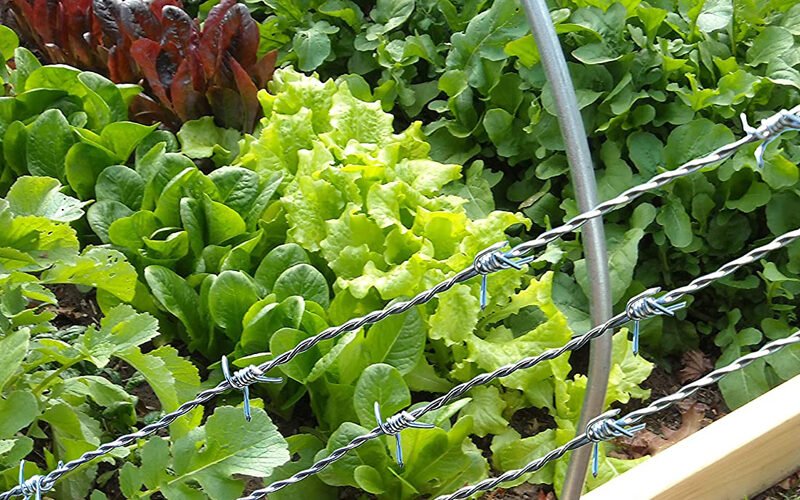
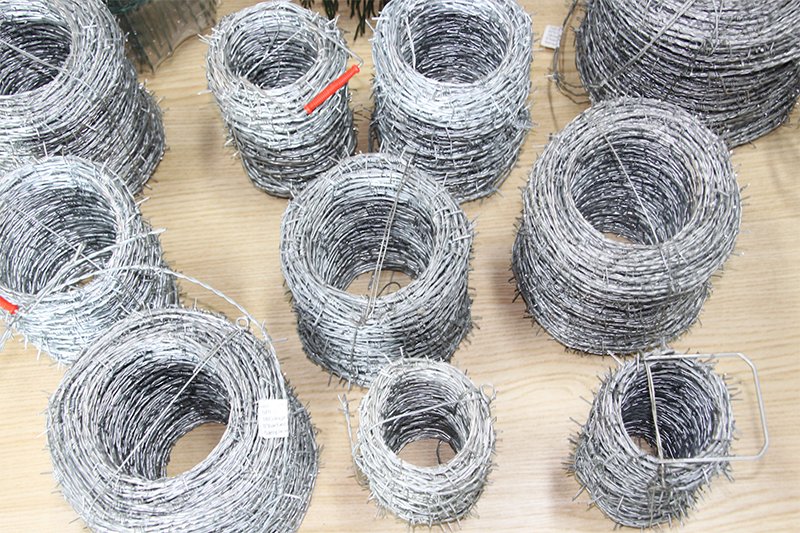
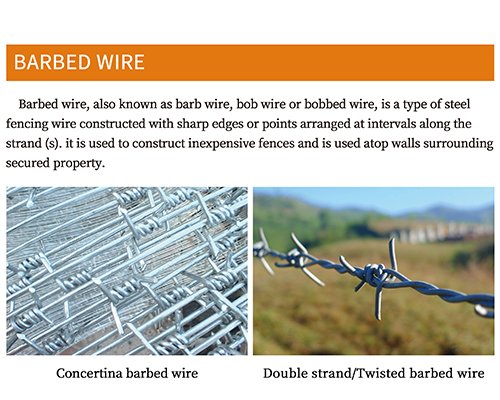
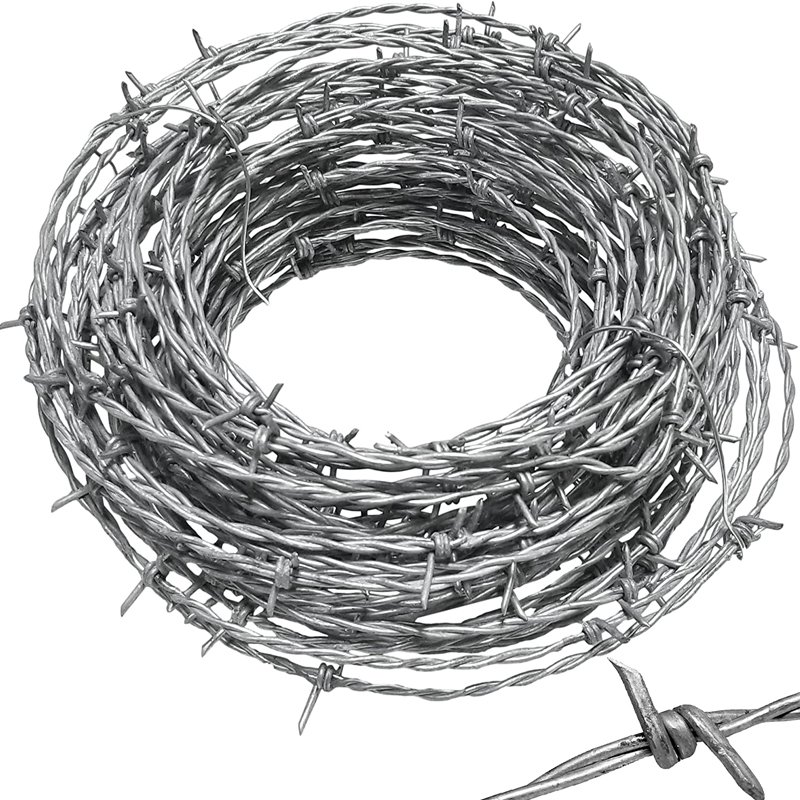
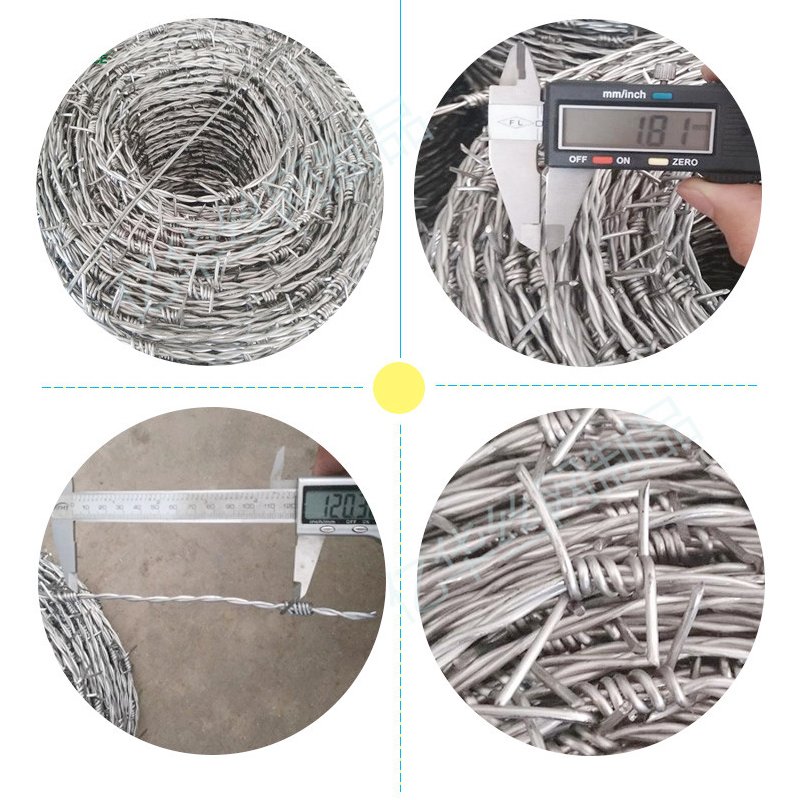
For wire selection, choose galvanized barbed wire for corrosion resistance and outdoor durability. Wire diameter and barb spacing affect strength and animal deterrence.
Step 3: Installing Corner and End Posts
Corner and end posts must be installed first.
Dig post holes deep enough to prevent movement under tension—usually 60–90 cm depending on soil type. Set posts vertically and tamp soil firmly or use concrete for permanent installations.
Brace corner posts using horizontal brace rails or diagonal wire bracing. This prevents leaning once the wire is tensioned.
Step 4: Setting Line Posts at Proper Spacing
Line posts are installed between corner posts to support the wire.
Typical spacing ranges from 3 to 5 meters. Wider spacing reduces cost but may allow wire sagging over time. In uneven terrain, closer spacing improves fence stability.
Ensure posts remain aligned and level. Proper spacing directly impacts fence durability and appearance.
Step 5: Attaching and Stretching the Barbed Wire
Begin attaching wire from one corner post to the next.
Unroll the wire carefully to avoid tangling. Attach the first strand at the desired height using fence staples (for wood posts) or clips (for steel posts).
Use a wire stretcher to tension the wire evenly. The wire should be tight but not overstressed. Repeat the process for each strand, maintaining consistent vertical spacing.
Proper tension ensures the fence remains effective and visually straight over time.
Step 6: Securing the Fence and Final Inspection
Once all strands are installed, check:
-
Wire tension consistency
-
Post alignment
-
Secure fastening at all connection points
Trim excess wire ends and secure them safely to avoid injury. Walk the entire fence line to identify weak points or uneven sections.
Regular inspection after installation helps catch early issues caused by soil movement or weather conditions.
Barbed Wire vs Welded Wire Mesh: Which Is Better?
Choosing the right fencing material depends on application needs.
Barbed Wire Fence
Advantages
-
Low material cost
-
Fast installation over long distances
-
Effective for large livestock containment
Limitations
-
Not suitable for small animals
-
Less visual barrier
-
Safety concerns for high-traffic areas
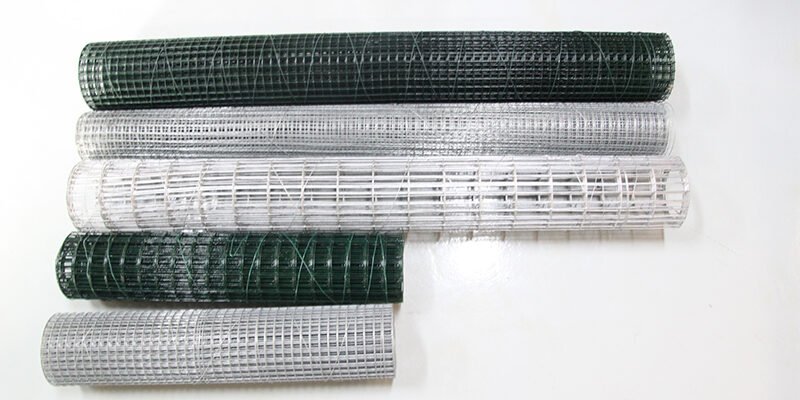
Welded Wire Mesh Fence
Advantages
-
Rigid structure with uniform openings
-
Better protection for small animals
-
Cleaner appearance and higher safety
Limitations
-
Higher material cost
-
More posts and fixing points required
In many farm projects, barbed wire is used for outer boundaries, while welded wire mesh is installed in pens, yards, or areas requiring higher containment control.
Common Mistakes to Avoid
-
Skipping proper bracing on corner posts
-
Over-tensioning the wire, leading to breakage
-
Using untreated or low-quality posts
-
Ignoring terrain changes along the fence line
Avoiding these mistakes significantly extends fence lifespan and reduces maintenance costs.
Maintenance Tips for Long-Term Performance
Inspect fences periodically for loose wires or leaning posts. Retighten strands as needed, especially after seasonal temperature changes.
Galvanized wire reduces rust issues, but damaged areas should be repaired promptly to prevent corrosion spread.
Proper maintenance ensures decades of effective service.
FAQ – How-to Focused (SEO Friendly)
Q1: How many strands are needed for a livestock fence?
Most cattle fences use 3–5 strands depending on animal size and behavior.
Q2: Can barbed wire be installed on uneven ground?
Yes, but closer post spacing and flexible tensioning are recommended.
Q3: Is barbed wire suitable for small animals?
No. Welded wire mesh is a better option for poultry, rabbits, and pets.
Q4: How long does a barbed wire fence last?
With galvanized wire and proper installation, it can last 15–25 years.
Q5: Can barbed wire and welded mesh be combined?
Yes. Many farms use barbed wire for boundaries and mesh for inner enclosures.
✅ B2B Conversion Section – Factory Supply Advantage
Looking for reliable fencing wire for farm or ranch projects?
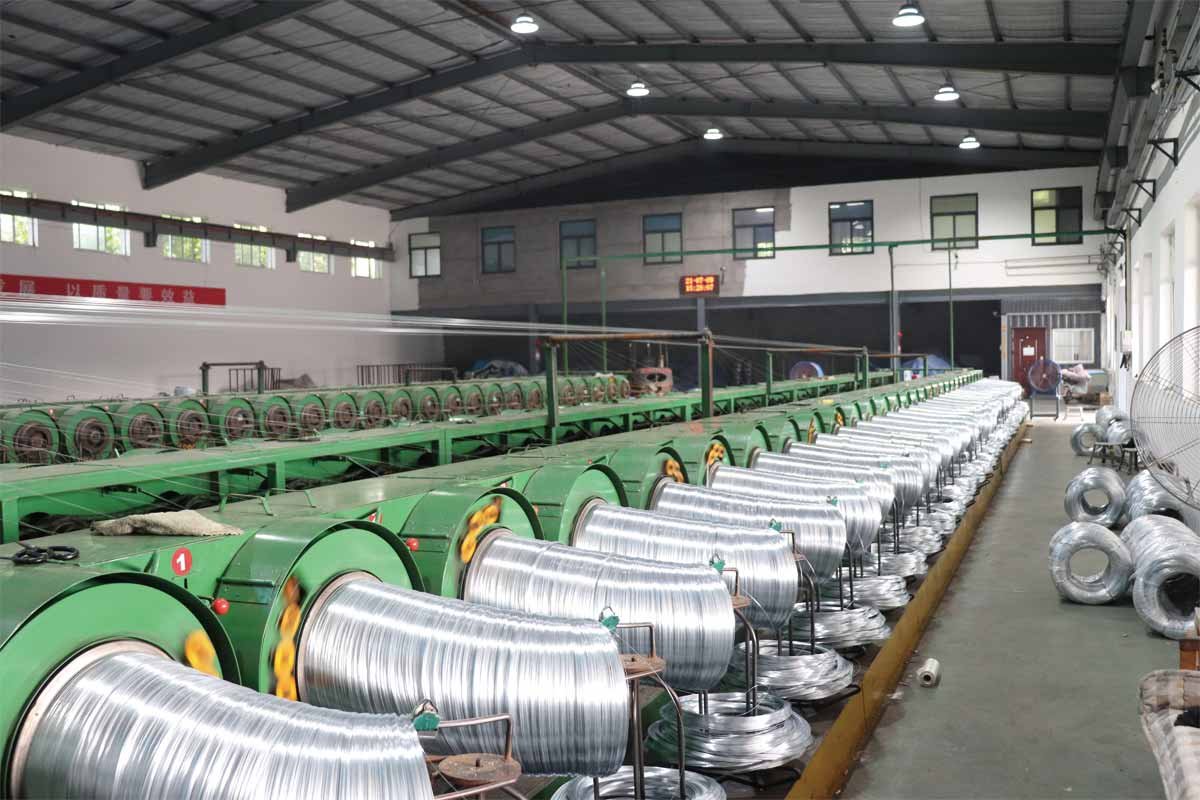
We are a direct manufacturer supplying barbed wire and welded wire mesh for agricultural and industrial applications.
Factory Advantages
As a professional manufacturer of steel wire panels and fencing products, our factory is built to support large-volume, stable, and customized B2B supply.
1. Manufacturer-Direct Pricing
We operate our own production lines, eliminating middlemen and offering competitive factory prices for wholesalers, distributors, and project buyers.
2. Automated Welding Production
Advanced automatic welding machines ensure:
-
Consistent panel dimensions
-
Strong and uniform weld points
-
Stable quality across bulk orders
This guarantees reliability for long-term cooperation.
3. Custom Specifications Available
We support OEM and customization, including:
-
Wire diameter and mesh opening
-
Panel size and structure
-
Surface treatment (galvanized, PVC coated)
-
Packaging and private labeling
Ideal for different regional standards and market demands.
4. Strict Quality Control
From raw material inspection to final packing, every step follows internal QC procedures to ensure durability, strength, and corrosion resistance.
5. Strong Bulk Supply Capacity
With sufficient raw material stock and scalable production, we can handle:
-
Large wholesale orders
-
Project-based quantities
-
Continuous monthly supply
6. Export-Oriented Packaging & Logistics
Panels are packed in bundles or pallets, suitable for container loading, helping buyers reduce freight cost and damage risk during transportation.
7. Experienced B2B Export Team
Our team understands international trade requirements and provides support for:
-
Technical specifications
-
Documentation
-
On-time delivery coordination
Related Posts

Post a Comment