

Blog Content
When planning a perimeter project, accurate budgeting is one of the first concerns. Whether you’re fencing farmland, ranch boundaries, industrial sites, or security perimeters, understanding barbed wire fence cost per foot helps procurement managers, contractors, and wholesale buyers forecast material expenses and negotiate supplies effectively.
Unlike fixed solid panel systems, barbed wire fencing is cost-efficient for covering long distances. Its lightweight construction and simple installation make it a preferred choice for agricultural fencing and perimeter protection around large outdoor areas. However, final pricing is influenced by various material, treatment, quantity, and logistical factors.
What Is Barbed Wire Fencing?
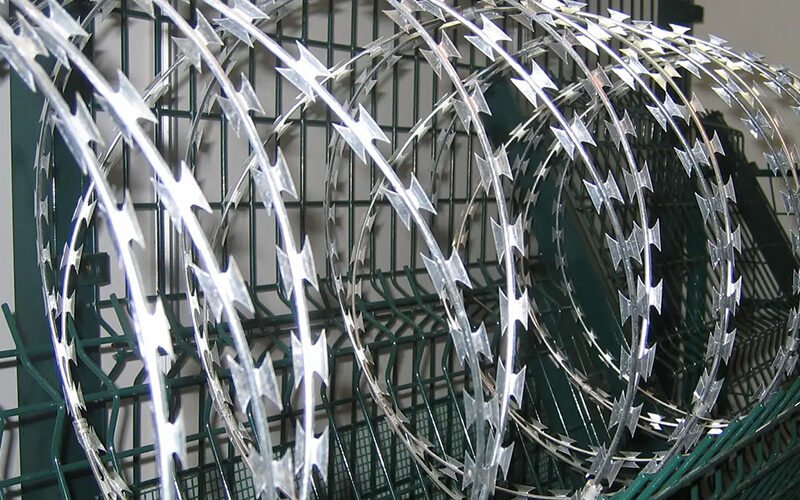
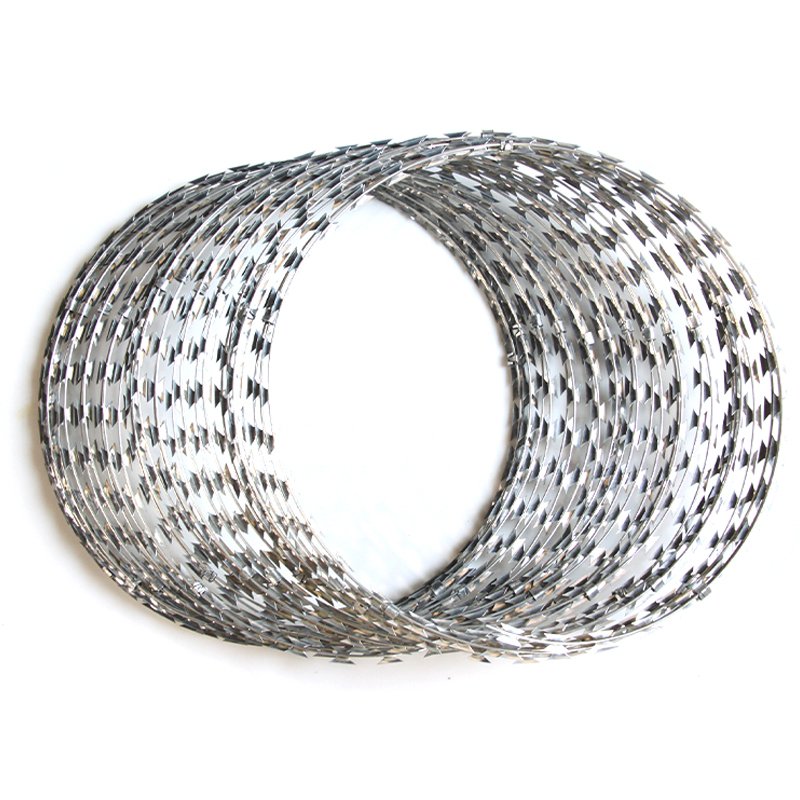
Barbed wire fencing consists of twisted steel wires with sharp barbs spaced at regular intervals. It provides an effective deterrent against unauthorized access and serves well in livestock control. The fence is typically installed in multiple horizontal strands supported by posts, tension wires, and fasteners.
Due to its segmented profile and efficient use of materials, barbed wire fencing often costs less per foot compared to solid fencing systems, especially over long runs.
Key Factors That Influence Cost
Understanding the elements that affect the cost per foot helps buyers optimize design and budget effectively. These factors include:
1. Wire Gauge and Material Grade
Barbed wire is produced in different gauges (thickness). Common options include:
-
12 gauge (heavier, stronger)
-
13.5 gauge (standard)
-
15 gauge (lighter, more economical)
Heavier gauge wire uses more steel and has higher tensile strength, thus increasing cost.
2. Surface Treatment (Corrosion Resistance)
Barbed wire is commonly surface treated to resist corrosion:
-
Electro-galvanized wire: Lower zinc coating, lighter corrosion resistance
-
Hot-dipped galvanized wire: Thicker zinc layer, higher durability
-
PVC coated wire: Additional protective coating for extended outdoor life
Higher protection coatings increase material cost but reduce long-term maintenance.
3. Barb Type and Spacing
Different barb designs and spacing affect both performance and pricing:
-
2-point barbed wire – economical and standard
-
4-point barbed wire – more steel, stronger deterrent
-
Barb spacing (e.g., 3”, 4”) – closer spacing increases steel usage
Choosing the right type for your application impacts total material cost.
4. Posts and Accessories
Apart from the wire itself, posts and accessories are essential:
-
Wooden or steel posts
-
Tension wire
-
Tensioners and straining tools
-
Clips or staples
-
Corner bracing
These components contribute to the total installation cost when averaged on a per-foot basis.
5. Spacing and Terrain
Post spacing significantly affects material usage. Typical spacing ranges from 6 to 10 feet, but uneven terrain, slopes, or high-pressure livestock areas may require closer spacing, thus increasing total cost per foot.
How Cost Is Calculated
When estimating barbed wire fencing, cost per foot is typically calculated using:
-
Total length in feet
-
Total wire rolls required (based on strand count)
-
Post count
-
Fasteners and tension components
-
Labor and equipment cost (if installing)
For raw material budgeting, many buyers prefer to calculate only material cost per foot, then add installation labor separately. Wholesale buyers often request this breakdown when comparing supplier quotations.
Example Cost Breakdown
| Component | Typical Cost (est.) |
|---|---|
| Barbed wire (per foot) | $0.10 – $0.35 |
| Steel posts | $1.50 – $5.00 per post |
| Tension wire | $0.05 – $0.15 per foot |
| Fasteners & clips | $0.03 – $0.10 per foot |
| Labor | $0.50 – $2.00 per foot |
Note: Prices vary by region, specification, and order volume.
When bulk ordering direct from factories, raw material costs can be negotiated, lowering the cost per foot and improving margins for distributors.
Bulk Supply and Factory Pricing
For large projects and wholesale buyers, purchasing wire fencing materials directly from a manufacturer provides clear advantages:
-
Competitive FOB pricing with bulk discounts
-
Consistent specification control for large runs
-
Stable monthly production capacity
-
Custom packaging and label options
-
Export-ready documentation
Factories often offer tiered pricing based on quantity, zinc coating thickness, and delivery term (FOB vs CIF).
Installation Considerations
Material cost is only one part of budgeting. Installation quality affects fence longevity:
-
Proper tensioning ensures minimal sagging
-
Correct post bracing improves structural strength
-
Optimal post spacing balances cost vs performance
-
Professional tension tools reduce installation time
Using quality components and professional techniques reduces long-term repair costs.

Choosing the Right Specification
Before ordering, buyers should confirm:
-
Desired gauge and coating standard
-
Number of horizontal strands
-
Quantity and type of posts
-
Fastener choices
-
Terrain and livestock pressure requirements
Clear specification reduces confusion in bulk quotes and ensures accurate cost estimates.
Advantages of Barbed Wire Fencing
Despite relatively low cost, barbed wire fencing offers strong performance:
-
Effective livestock containment
-
Visual and physical deterrent
-
Low material usage
-
Simple layout and extension
-
Easy maintenance
For ranchers, agricultural distributors, and infrastructure projects, balancing cost and performance is key.
Regional Cost Influences
Global raw steel pricing, zinc market trends, shipping freight rates, and currency exchange fluctuations all impact material costs. Seasonality may also affect supply and lead times. Buyers are advised to lock quotes early for better budgeting control.
Long-Term Value vs. Initial Cost
Although initial material cost per foot is a primary budgeting metric, long-term performance and maintenance should be factored in:
-
Higher gauge and coating improves lifespan
-
Stronger systems reduce repair frequency
-
Better corrosion resistance reduces replacement costs
Often, a slightly higher initial cost per foot yields lower total ownership cost over years of service.
Conclusion
Understanding barbed wire fence cost per foot requires evaluating material choices, surface treatment, post systems, terrain considerations, and supplier pricing strategies. For wholesalers and project contractors, sourcing directly from experienced manufacturers ensures competitive pricing, specification accuracy, and dependable bulk delivery.
By planning wisely and selecting the right specifications, buyers can optimize their budget while ensuring durable, high-performance fencing solutions
Factory Introduction
As a professional manufacturer of metal wire and wire mesh products, our factory has been serving global agricultural, construction, and industrial markets with stable bulk supply and consistent quality control. We specialize in the production of galvanized wire, welded mesh, fencing systems, barbed wire, and livestock containment solutions.
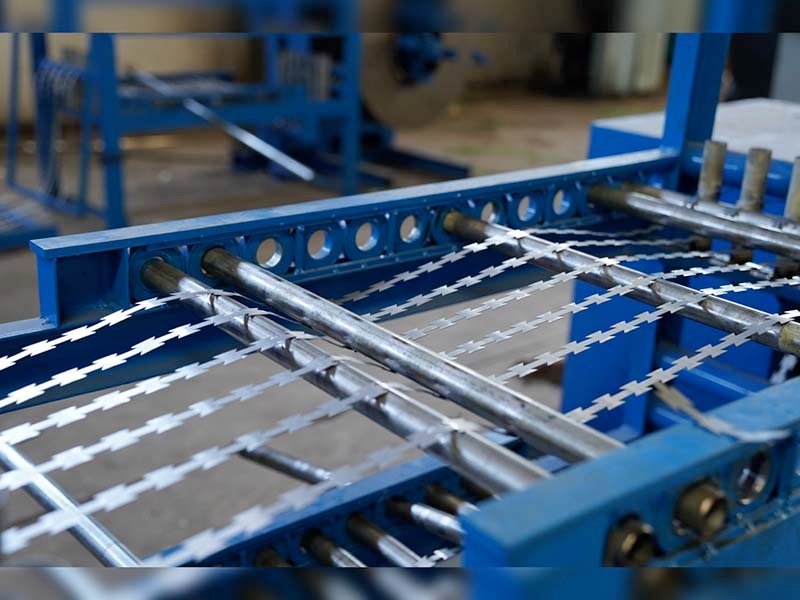
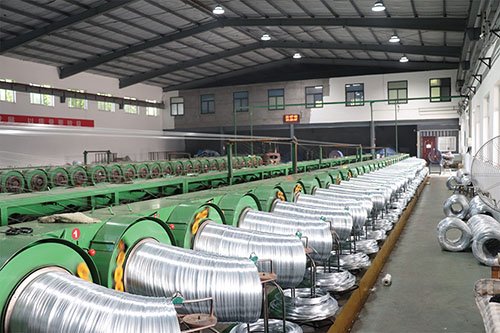
From raw material selection to final packaging, every production stage is completed in-house. Our facility is equipped with automatic wire drawing machines, advanced welding lines, field fence weaving machines, and galvanizing equipment. This vertical production system allows us to control cost, ensure uniform quality, and maintain reliable delivery schedules for large-volume orders.
Quality control is implemented at each step. We carefully inspect tensile strength, wire diameter accuracy, zinc coating thickness, and weld firmness to guarantee long service life under harsh outdoor conditions. Whether used for agricultural fencing, poultry farming, garden protection, or construction reinforcement, our products are designed for durability and structural stability.
We support customized production based on client requirements, including wire diameter adjustment, mesh size, roll length, zinc coating level, PVC color options, and OEM packaging. With strong export experience across Asia, Africa, the Middle East, and South America, we understand international shipping standards and container loading optimization.
Our goal is simple: provide wholesalers, distributors, and project contractors with competitive factory pricing, stable supply capacity, and dependable long-term cooperation.
Why Work With Us
-
Direct manufacturer pricing
-
Strict quality inspection system
-
Custom specifications available
-
Strong monthly production capacity
-
Export-ready packaging
-
Fast quotation and professional support
Related Products
To support complete fencing and wire system projects, we also supply:
-
Welded Wire Mesh (construction & fencing grade)
-
Galvanized Iron Wire
-
Fixed Knot & Field Fence
-
Poultry Cages & Livestock Panels
-
Common Nails & Roofing Nails
By offering a full range of wire-based products, we help our partners build one-stop procurement solutions and increase their market competitiveness.
Start Your Bulk Order Today
If you are looking for a reliable wire mesh manufacturer with stable quality and competitive wholesale pricing, we are ready to support your business growth.
Contact us today to receive:
-
Updated factory price list
-
Free product specifications
-
Sample support
-
Container loading details
-
Customized quotation for your project
Send us your required specifications and order quantity now — our sales team will respond quickly with the most suitable solution for your market.
We look forward to building a long-term and profitable partnership with you.
Related Posts

Post a Comment