
-
Architectural Metal Mesh Panels for Modern Building Design
Architectural metal mesh panels have become a popular solution for modern construction and interior design projects. Architects and contractors often choose metal mesh structures when they want to combine visual impact with durability and ventilation.
Compared with solid materials such as aluminum sheets or glass panels, woven metal screens create a lighter architectural effect while still providing strength and long service life. The open structure allows natural light and airflow to pass through, which helps improve building comfort and energy efficiency.
Because of these advantages, decorative mesh systems are now widely used in commercial buildings, hotels, shopping centers, and public spaces. Designers can select different patterns, materials, and finishes to match specific architectural styles.
Why Metal Mesh Is Widely Used in Architecture
From a buyer’s perspective, the main reason to choose metal mesh for building projects is its balance between functionality and design flexibility.
First, metal mesh structures offer strong mechanical performance. High-quality materials such as stainless steel provide excellent strength and corrosion resistance, making them suitable for both interior and exterior installations.
Second, woven or perforated patterns create attractive visual effects. Depending on the wire spacing and pattern design, mesh screens can provide different levels of transparency, shading, and privacy.
Another advantage is adaptability. Decorative mesh can be fabricated in large panels, curved shapes, or framed sections, which allows architects to integrate it into complex building structures.
-

decorative wire mesh panel
Materials Commonly Used in Decorative Mesh
Material selection is one of the most important decisions for construction buyers and project designers. Different metals provide different performance characteristics and visual effects.
Stainless Steel
Stainless steel is the most widely used material for architectural wire mesh because it offers excellent corrosion resistance and structural strength. It performs well in outdoor environments and requires minimal maintenance.
Aluminum
Aluminum mesh is much lighter than stainless steel and is easier to install on large surfaces. It is often selected for interior partitions, ceilings, and lightweight facade systems.
Brass and Copper
For luxury interior decoration projects, brass or copper mesh can create a distinctive visual appearance. These metals are commonly used in hotels, restaurants, and retail spaces where design aesthetics are a priority.
Over time, copper and brass develop natural surface tones that enhance their decorative value.
Typical Applications in Building Projects
Decorative metal mesh can be found in many areas of modern architecture. Contractors and designers use it in both exterior and interior environments.
Building Facades
Mesh screens are often installed as exterior facade elements. They provide shading while still allowing ventilation and visibility. Many commercial buildings use metal mesh layers to create a modern and dynamic appearance.
Interior Partitions
In offices, hotels, and shopping malls, decorative mesh panels can be used as stylish room dividers. These partitions help define spaces while maintaining an open and breathable environment.
Ceiling Systems
Mesh ceilings are frequently used in commercial interiors. The open structure allows lighting fixtures, ventilation ducts, and other building systems to remain hidden while maintaining accessibility for maintenance.
Railings and Safety Screens
Metal mesh is also suitable for stair railings, balcony guardrails, and protective screens. It offers both safety and visual transparency.
Design Flexibility for Architects
One of the biggest advantages of decorative mesh is its design flexibility. Manufacturers can produce panels in a wide variety of patterns, wire diameters, and opening sizes.
By adjusting these parameters, designers can control several important factors:
-
transparency level
-
shading performance
-
visual texture
-
structural strength
Surface treatments also play an important role. Options such as powder coating, brushed finishes, and antique finishes allow the mesh to match different architectural styles.
Because of these customization possibilities, decorative mesh solutions can be tailored to both modern and classical building designs.
-
-
Key Considerations When Choosing Decorative Mesh
For project buyers, selecting the right mesh specification requires careful evaluation of several factors.
Opening Size
The spacing between wires affects both transparency and airflow. Larger openings allow more light to pass through, while smaller openings provide better privacy.
Wire Diameter
Thicker wires increase structural strength and durability, which is especially important for exterior facade installations.
Material Type
Outdoor projects typically require corrosion-resistant materials such as stainless steel or coated aluminum.
Surface Treatment
Finishes such as powder coating or anodizing improve durability and enhance the visual appearance of the panels.
By considering these elements during the planning stage, buyers can ensure that the mesh system performs well throughout the building’s lifespan.
Installation Options
Installation methods depend on the design of the project and the size of the panels.
Common approaches include:
Frame installation, where mesh is mounted within metal frames and attached to the building structure.
Cable tension systems, often used for flexible mesh screens covering large areas.
Direct panel fastening, which is suitable for rigid mesh sheets installed onto supporting frames.
Working with experienced manufacturers can help ensure that the installation system meets both safety standards and architectural design requirements.
FAQ
Is decorative metal mesh suitable for outdoor use?
Yes. Stainless steel and coated aluminum mesh offer excellent corrosion resistance for exterior architectural applications.Can mesh panels be customized for specific projects?
Manufacturers can adjust wire diameter, mesh opening, panel size, and surface finish to meet project requirements.What industries commonly use decorative mesh?
Commercial construction, hospitality projects, retail buildings, and modern residential developments frequently use this material.Does metal mesh require special maintenance?
Most systems require very little maintenance, especially when corrosion-resistant materials are used.
Conclusion
Architectural metal mesh panels continue to gain popularity in modern construction because they combine durability, ventilation, and strong visual appeal. Architects and contractors appreciate the ability to integrate mesh structures into facades, interior partitions, ceilings, and safety systems while maintaining a lightweight and modern design.
With the right material selection and proper installation, architectural metal mesh panels can provide long-lasting performance for a wide range of commercial and architectural projects.
Related Products
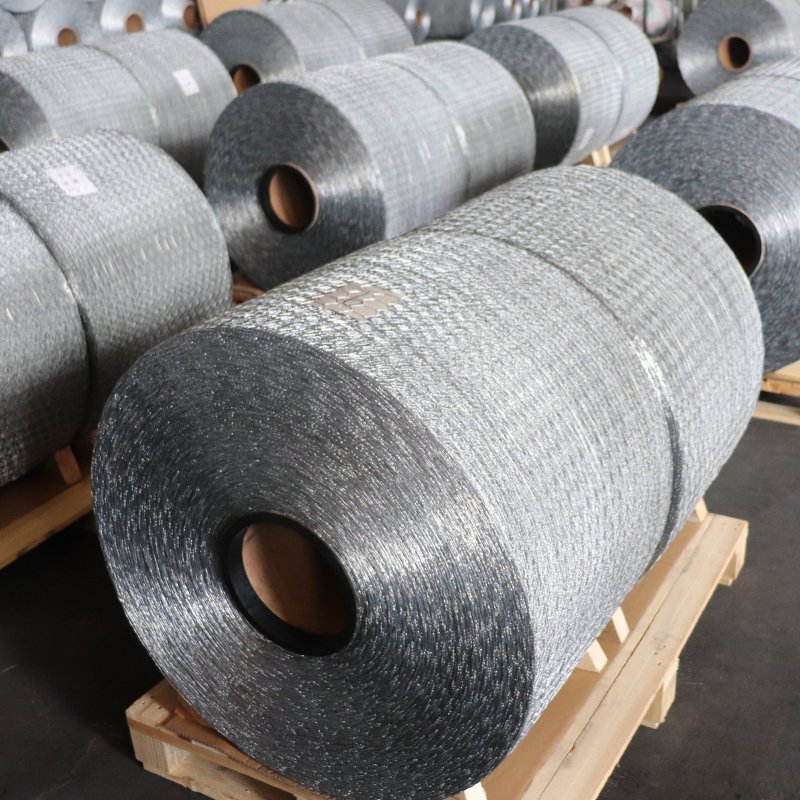
To support complete fencing and wire system projects, we also supply:
-
Welded Wire Mesh (construction & fencing grade)
-
Galvanized Iron Wire
-
Fixed Knot & Field Fence
-
Poultry Cages & Livestock Panels
By offering a full range of wire-based products, we help our partners build one-stop procurement solutions and increase their market competitiveness.
Related Posts

Post a Comment