

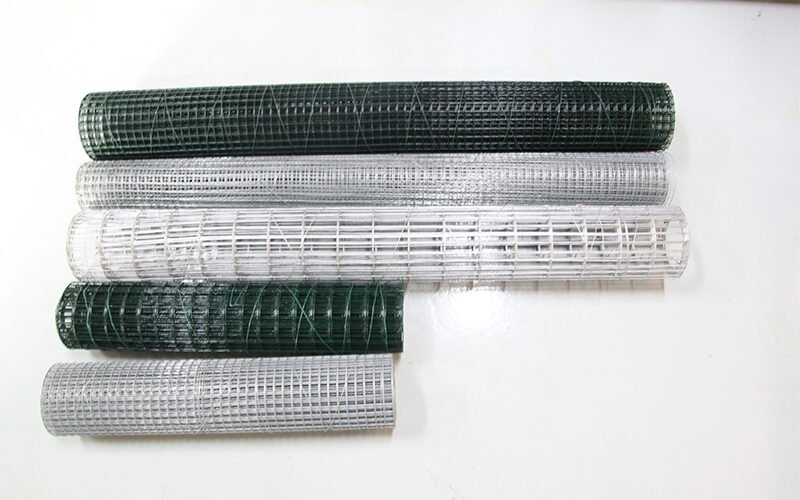
Welded Wire Mesh vs Chicken Wire: Which Fence Is Better for Farms and Gardens?
When choosing fencing materials for farms, gardens, or animal enclosures, buyers often compare welded wire mesh and chicken wire. At first glance, these two types of wire mesh may look quite similar, but they are designed for very different purposes. The structure, strength, durability, and applications of each material vary significantly, which is why selecting the right one is essential for achieving the best long-term results.
For farmers, construction contractors, and fencing distributors, understanding these differences can help avoid unnecessary costs and maintenance issues. In this guide, we will explore how welded mesh and chicken wire are manufactured, where each performs best, and how to decide which option is most suitable for your project.
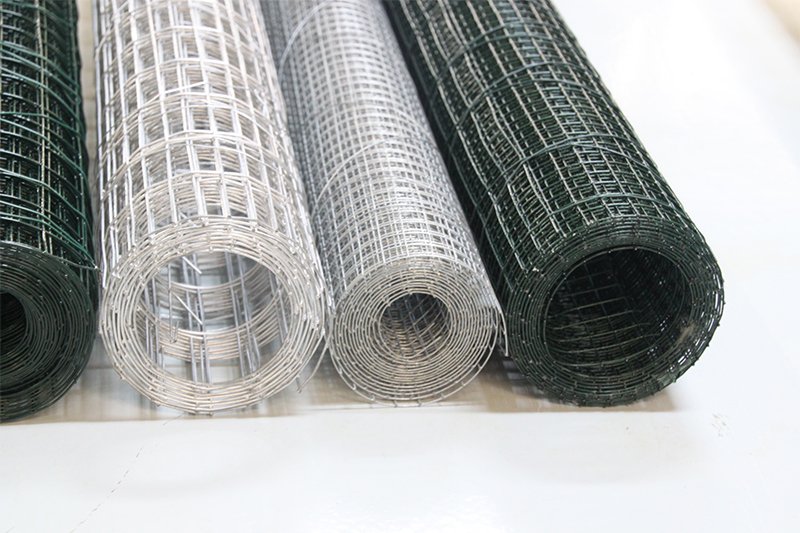
weld wire
Understanding the Structure of Welded Wire Mesh
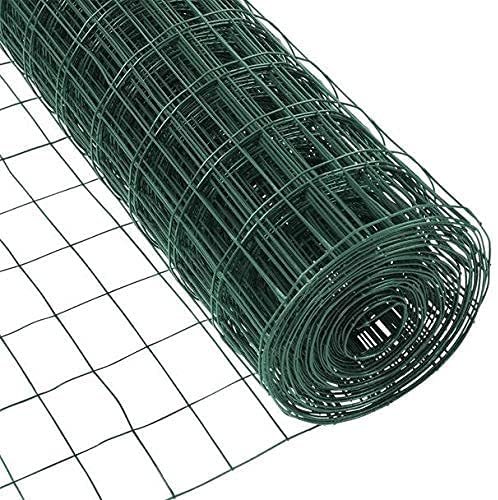
Welded wire mesh is manufactured by electrically welding horizontal and vertical steel wires together at each intersection point. This welding process forms a rigid grid pattern that keeps the mesh stable even under pressure. Because the wires are firmly connected, the entire sheet acts as a single strong structure rather than a flexible fabric.
Most welded mesh products used outdoors are treated with zinc coating to improve corrosion resistance. A typical example is galvanized welded wire mesh, which is commonly used for fencing, cages, and construction reinforcement. The zinc layer protects the steel from moisture and oxidation, allowing the mesh to perform reliably in outdoor environments for many years.
Another advantage of welded mesh is the variety of wire thicknesses and mesh openings available. Buyers can choose lighter materials for garden fencing or heavier panels for livestock enclosures and industrial barriers. In many cases, welded mesh is also used together with steel wire mesh panels to create stronger fencing structures around warehouses, farms, and construction sites.
How Chicken Wire Is Manufactured
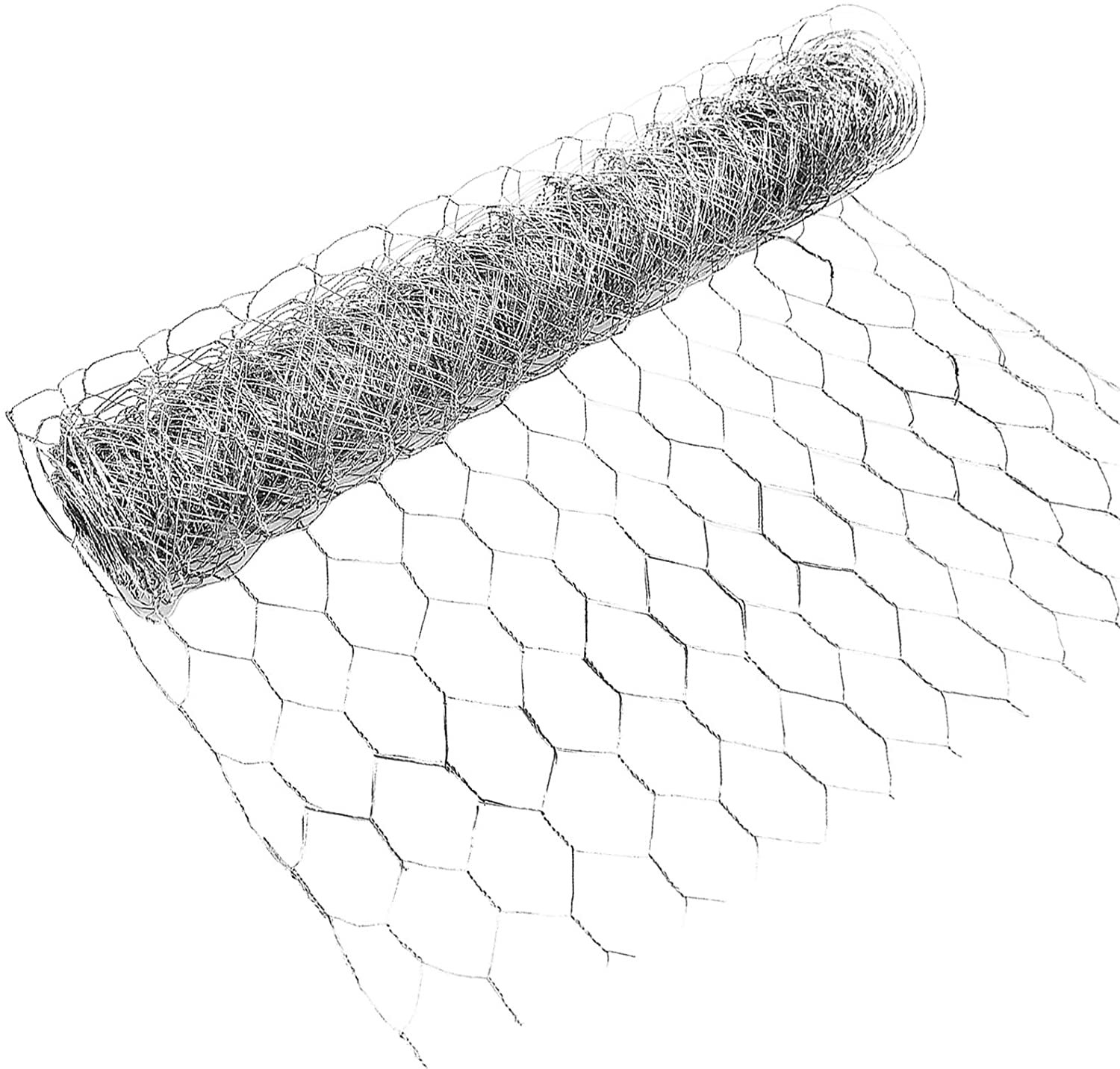
Chicken wire, also known as poultry netting, is made using a completely different manufacturing method. Instead of welding the wires together, the steel strands are twisted into a hexagonal pattern. This weaving process creates a lightweight and flexible mesh that can be easily rolled, bent, or shaped around uneven surfaces.
Because of this flexibility, chicken wire is widely used in small-scale agricultural projects. Poultry farms commonly install hexagonal wire mesh netting around chicken coops to keep birds inside while preventing small predators from entering. Gardeners also use this type of mesh to protect vegetables from rabbits and other animals.
However, the woven structure that makes chicken wire flexible also reduces its strength. When pressure is applied, the twisted joints can loosen over time, which means the fence may require maintenance or replacement sooner than a welded alternative.
Strength and Durability Comparison
One of the most important differences between these two fencing materials is structural strength. Welded mesh is significantly stronger because each intersection is permanently welded. This rigid design allows the mesh to withstand pressure from livestock, wind, or accidental impact without losing its shape.
Chicken wire, on the other hand, is designed primarily for containment rather than security. The twisted joints are flexible, which is useful for wrapping around structures or covering irregular surfaces, but it also means the material can stretch or deform under heavy force.
In long-term outdoor installations, durability also becomes a key factor. Galvanized welded mesh generally has a longer lifespan because the rigid structure distributes stress evenly across the entire fence. With proper installation, it can last more than a decade in many environments.
Chicken wire typically has a shorter lifespan, especially in areas with strong weather exposure or animal pressure. For lightweight tasks such as protecting garden plants, it performs well, but it may not be the best solution for large livestock enclosures or security fencing.
Best Applications for Welded Wire Mesh
Because of its strength and durability, welded mesh is widely used in projects that require reliable protection and structural stability. Farmers often install welded fencing to create animal enclosures for goats, sheep, or pigs. The rigid grid prevents animals from pushing through the fence while still allowing good visibility and ventilation.
Construction companies also rely on welded mesh for temporary barriers and safety partitions on building sites. In industrial environments, welded mesh panels are frequently used to protect machinery or create storage partitions inside warehouses.
Another common application is property fencing around residential land and agricultural fields. In these cases, the mesh may be combined with barbed wire fencing on the top to increase security and deter intruders or wild animals.
Best Applications for Chicken Wire
While chicken wire may not be as strong as welded mesh, it remains extremely useful for many agricultural and gardening purposes. Poultry farmers often choose chicken wire because its small hexagonal openings prevent chickens and other birds from escaping while keeping predators away.
Gardeners also use chicken wire to protect plants and young trees. The lightweight structure makes it easy to install around vegetable beds or wrap around tree trunks to prevent damage from rabbits or deer.
Another advantage of chicken wire is its flexibility. Because the mesh can bend easily, it works well for irregular shapes such as compost bins, plant cages, or temporary garden enclosures.
Cost Comparison
Price is often an important factor when buyers choose fencing materials. In general, chicken wire is less expensive than welded mesh because it uses thinner wire and a simpler weaving process. For small projects with limited budgets, this can make it an attractive option.
However, the lower initial price does not always mean lower long-term cost. Because welded mesh lasts longer and requires less maintenance, it often provides better value for larger installations or long-term fencing projects.
Professional fencing installers frequently recommend welded mesh for permanent structures, while chicken wire is better suited for temporary or lightweight applications.
Which One Should You Choose?
Choosing between welded mesh and chicken wire depends largely on the purpose of the fence. If the goal is to create a strong and durable barrier that can withstand pressure from animals or environmental conditions, welded mesh is usually the better option. Its rigid structure, long lifespan, and versatility make it ideal for farms, construction areas, and property boundaries.
On the other hand, if the project involves lightweight protection such as poultry cages or small garden barriers, chicken wire may be sufficient. Its flexibility makes it easy to install and adapt to different shapes.
For many buyers, the best solution is not choosing one over the other but combining both materials. For example, a farm fence might use welded mesh for the main structure while adding chicken wire near the bottom to prevent smaller animals from escaping.
Final Thoughts
Both welded wire mesh and chicken wire play important roles in agriculture, construction, and property protection. Understanding the structural differences between these two materials helps buyers make smarter purchasing decisions and avoid costly mistakes.
For projects that require long-term durability and higher strength, welded mesh is usually the preferred choice. For lightweight protection and flexible installations, chicken wire remains a practical and affordable alternative.
When selecting fencing materials, it is always worth considering the environment, the animals involved, and the expected lifespan of the fence. Making the right choice from the beginning can save both time and money in the long run.
Related Posts
Post a Comment