4×4 Welded Wire Mesh Galvanized: Durable Fencing Solution for Farm, Garden and Construction
When buyers search for strong and reliable fencing materials, 4×4 welded wire mesh galvanized is often one of the first options they consider. The reason is simple: this type of steel mesh offers the perfect balance of strength, visibility, corrosion resistance, and cost efficiency.
From livestock enclosures and garden protection to construction barriers and industrial partitions, welded steel mesh has become a practical solution used worldwide. Compared with woven fencing materials, welded grid panels maintain their shape better and provide consistent opening sizes, which makes installation easier and more predictable.
In this guide, we’ll walk through the most important aspects buyers usually care about—applications, specifications, advantages, installation tips, and how this product compares with PVC-coated mesh.
What Is Galvanized Welded Wire Mesh?
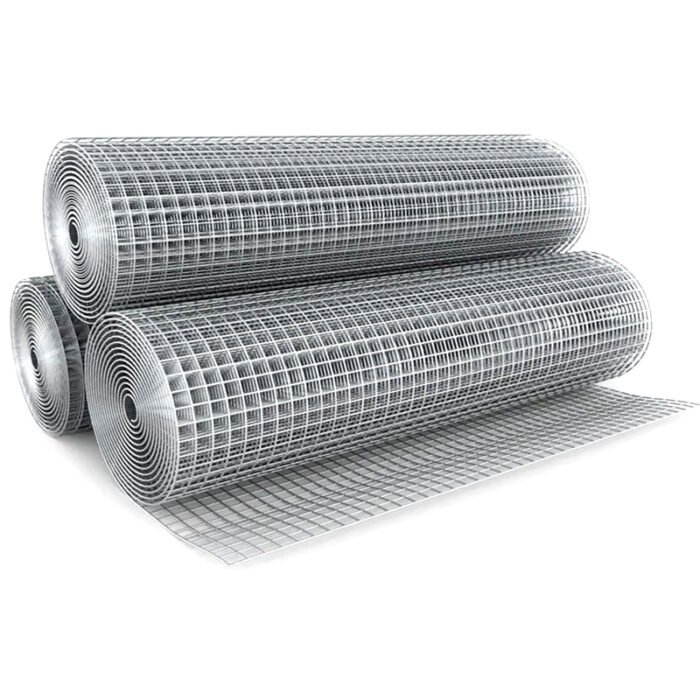
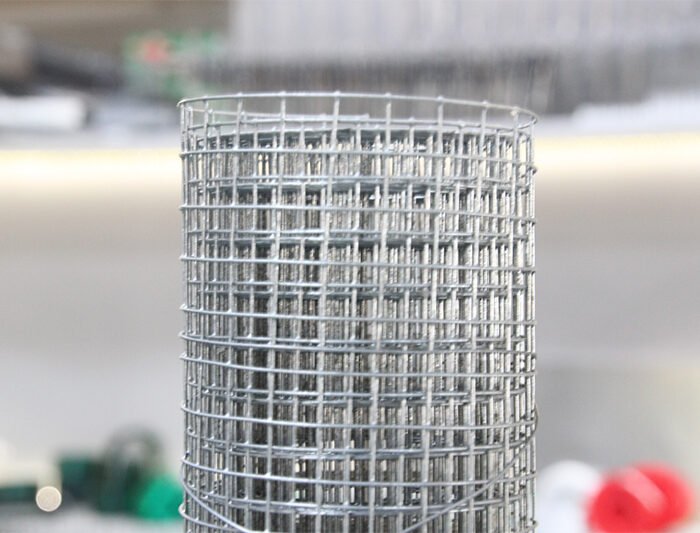
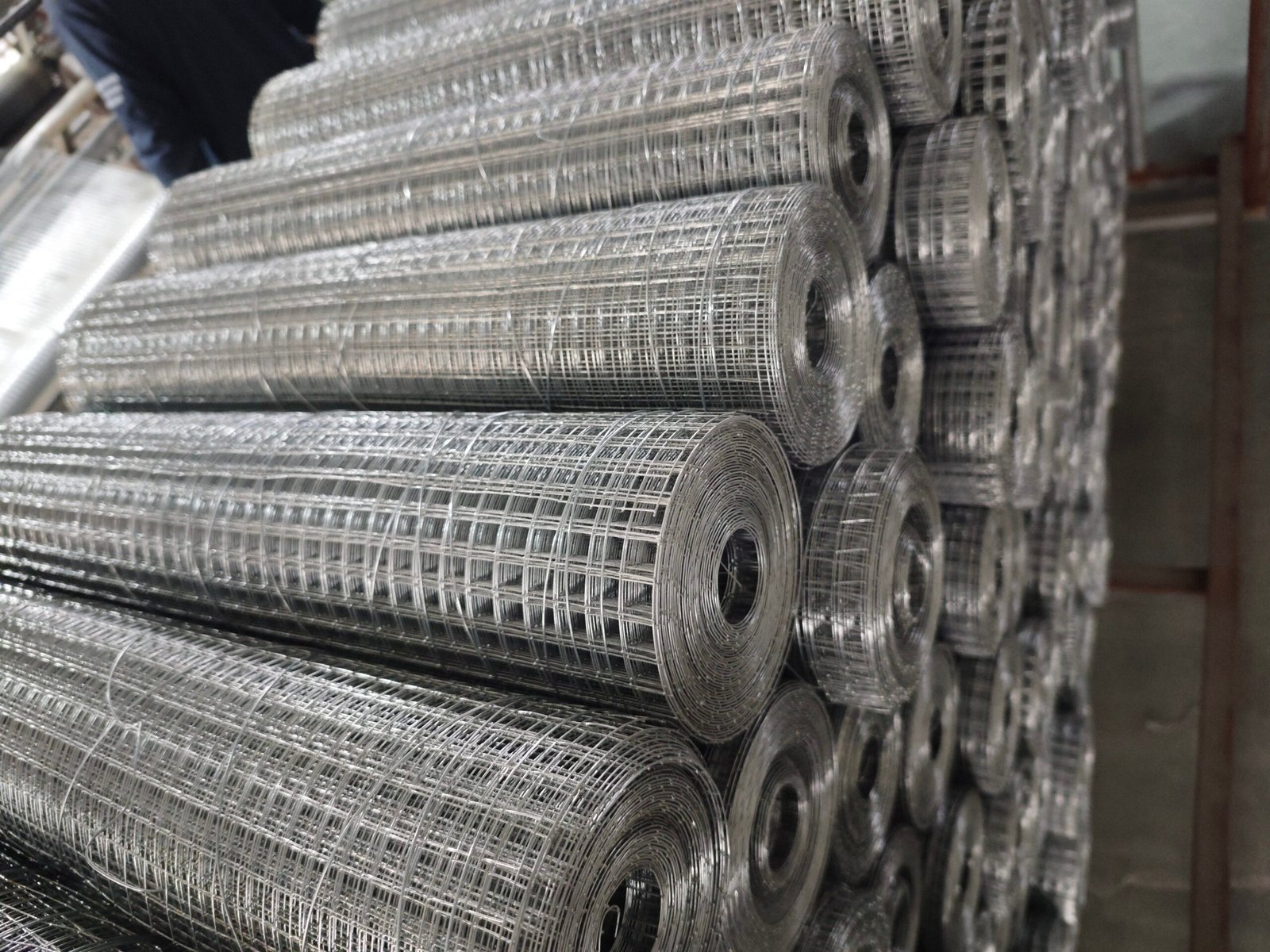
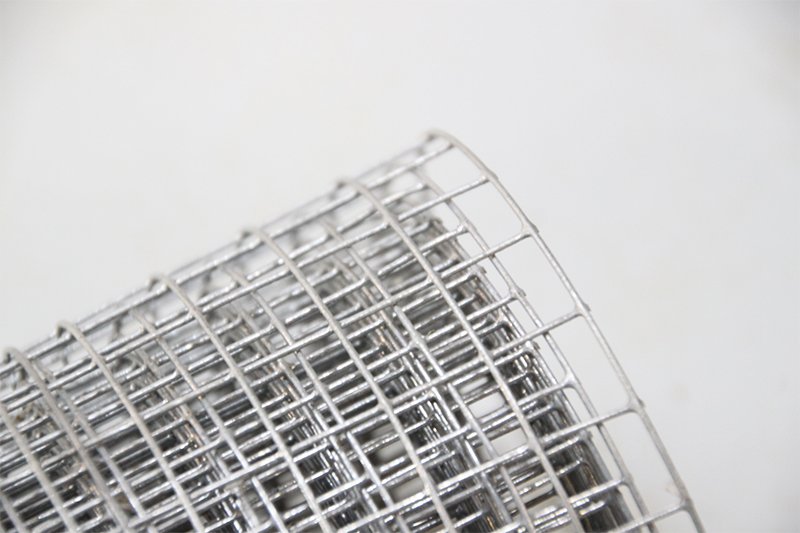
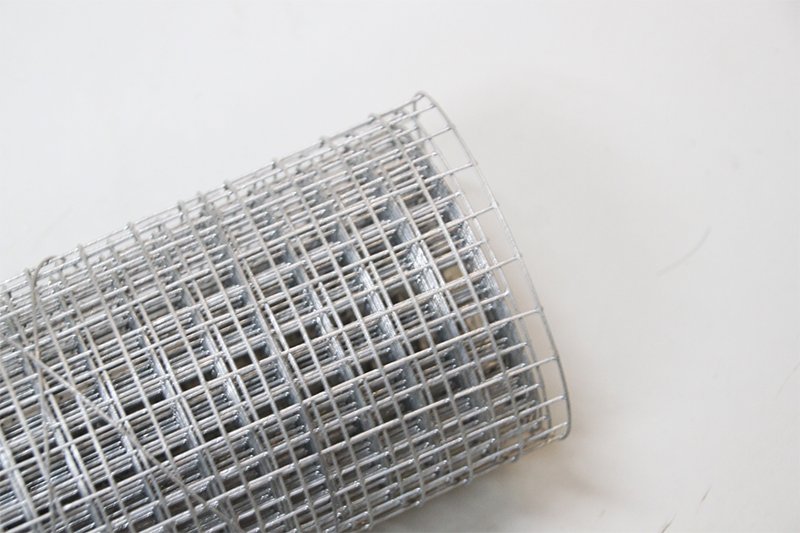
Galvanized welded mesh is manufactured by electrically welding horizontal and vertical steel wires together to form a rigid grid pattern. After welding, the steel surface is protected through a galvanizing process that coats the metal with zinc.
This zinc layer acts as a protective barrier against moisture, oxygen, and outdoor weather exposure. As a result, the mesh can remain rust-resistant for many years even in demanding environments such as farms, gardens, and construction sites.
Factories generally produce this fencing material using low-carbon steel wire, which provides a good balance between tensile strength and flexibility. Many manufacturers also use galvanized iron wire as the raw material to improve corrosion resistance during production.
If you want to understand more about wire materials used in mesh manufacturing, you can read our guide on 3 mm steel wire galvanized iron wire, which explains how wire diameter influences durability and performance.
Typical Applications Buyers Use It For
One reason this welded fencing material is so popular is its versatility. Different industries use it in different ways depending on mesh opening size and wire diameter.
Farm and Livestock Fencing
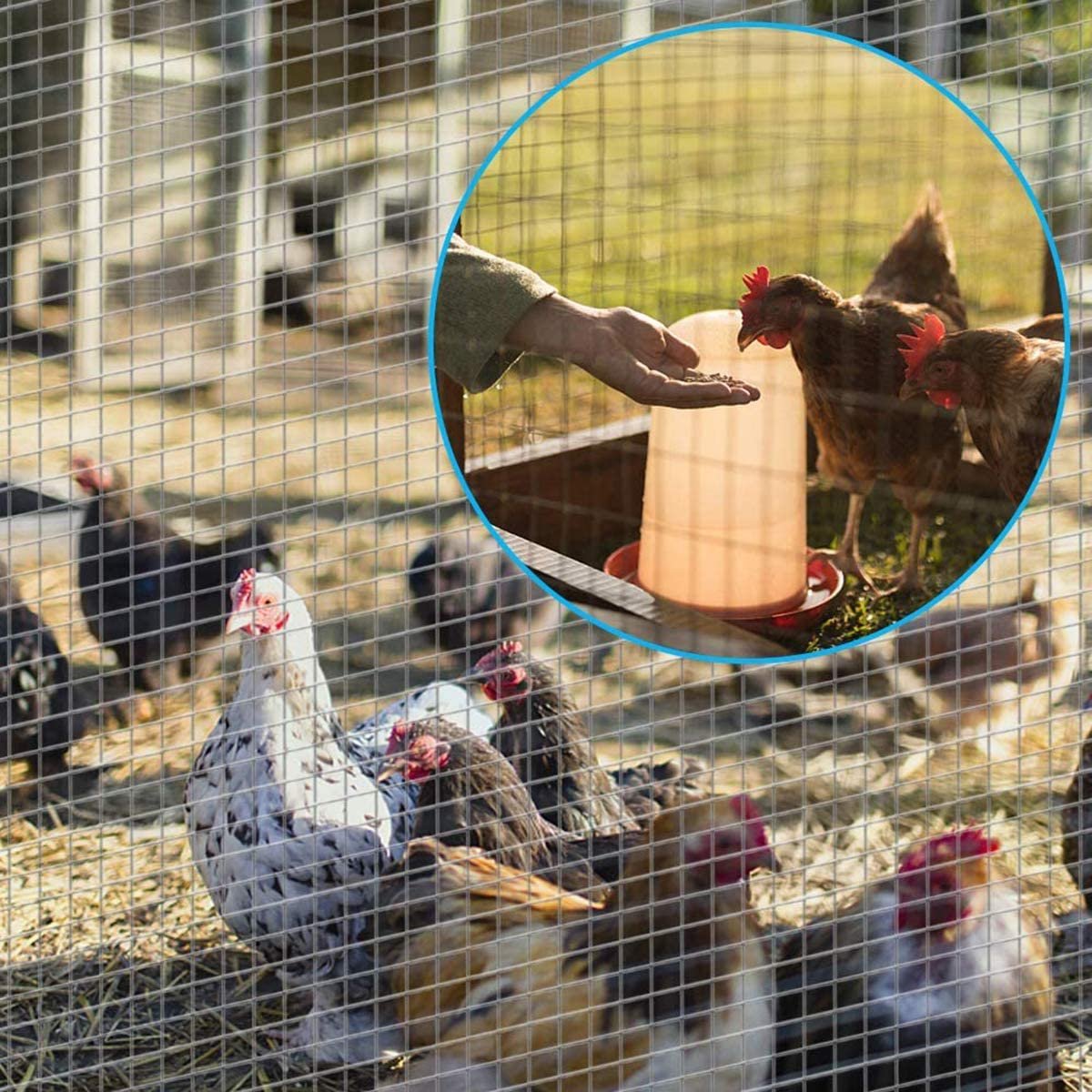
Farmers commonly install welded mesh fencing to protect animals while maintaining visibility and ventilation. It works well for:
-
Sheep and goat enclosures
-
Poultry yards
-
Pig pens
-
Farm boundary fences
For poultry protection, many farms combine welded panels with hexagonal wire mesh netting to prevent smaller animals from escaping.
Garden and Landscaping Protection
In residential landscapes and orchards, this type of steel mesh helps prevent animals from damaging plants.
Typical uses include:
-
Tree guards
-
Vegetable garden fences
-
Compost bin enclosures
-
Climbing plant supports
Because the mesh structure is rigid but still easy to cut, gardeners often use it for DIY garden structures.
Construction and Industrial Barriers
Contractors frequently install welded steel mesh for temporary or permanent barriers in construction areas.
Common applications include:
-
Safety barriers around building sites
-
Concrete reinforcement frameworks
-
Machinery protection cages
-
Warehouse partition systems
You can also explore our detailed article on standard size of welded wire mesh to learn how different panel dimensions suit various projects.
Standard Specifications
Different projects require different mesh specifications. Below are some typical parameters buyers often request when sourcing welded mesh products.
Material
Low-carbon steel wire / galvanized steel wire
Surface Treatment
Hot-dip galvanized
Electro-galvanized
PVC coated (optional)
Wire Diameter
1.6 mm – 5.0 mm
Mesh Opening
50×50 mm
75×75 mm
100×100 mm (4×4 inch)
Roll Width
0.6 m – 2.0 m
Roll Length
15 m / 25 m / 30 m / 50 m
Panel Size
1 m × 2 m
1.2 m × 2.4 m
Custom size
Factories can usually customize wire diameter, mesh spacing, and roll length according to the specific project requirements.
Why Many Buyers Prefer Galvanized Welded Mesh
Professional buyers—especially wholesalers and construction contractors—often prefer welded mesh fencing because it offers several practical advantages.
Strong Structure
The welded intersections create a rigid grid that maintains its shape even under pressure. This makes the mesh more stable than many woven fencing materials.
Excellent Corrosion Resistance
The zinc coating protects steel against rust and oxidation, which is critical for outdoor installations.
Easy Transportation and Installation
The mesh is typically supplied in rolls or panels, making it easy to transport and install without complicated tools.
High Cost Efficiency
Compared with heavy fencing systems, welded mesh offers reliable protection at a much lower material and installation cost.
Because of these advantages, 4×4 welded wire mesh galvanized remains one of the most widely used fencing materials in agriculture and construction.
Comparison: Galvanized vs PVC-Coated Welded Mesh
Buyers sometimes ask whether they should choose galvanized mesh or PVC-coated mesh. The answer usually depends on the environment and appearance requirements.
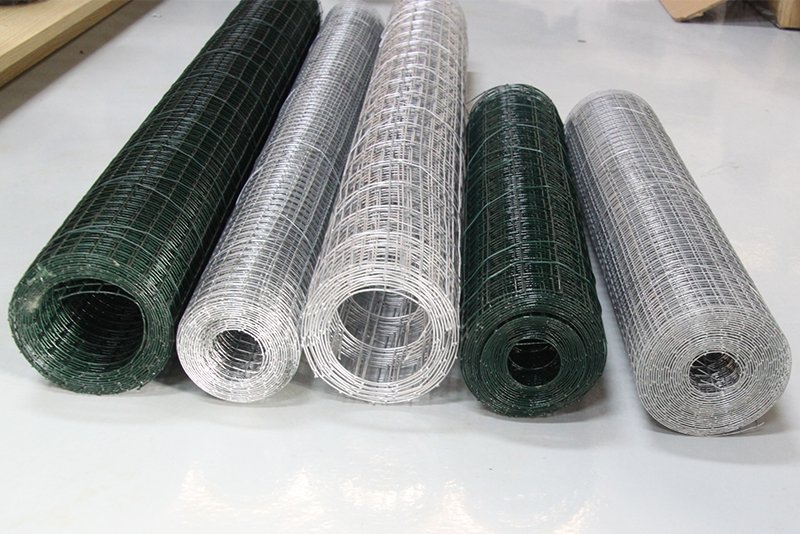
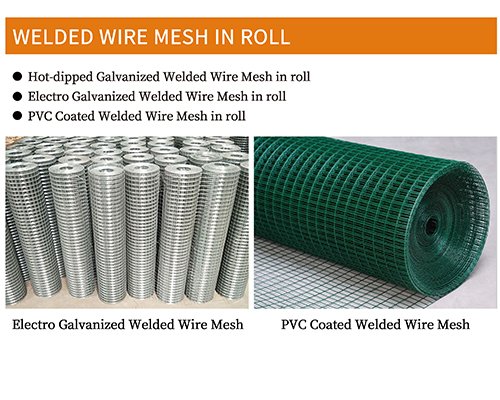
Galvanized welded mesh focuses on durability and cost efficiency. It is widely used in farms, construction sites, and industrial fencing.
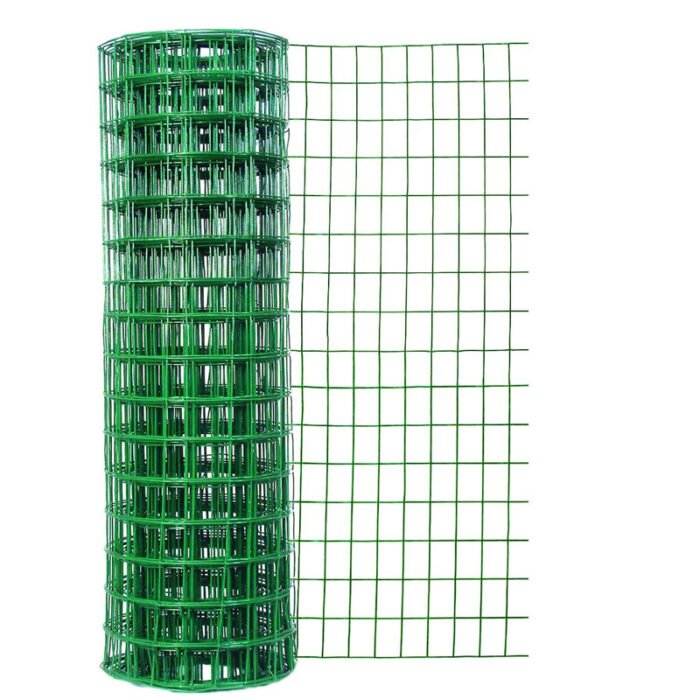
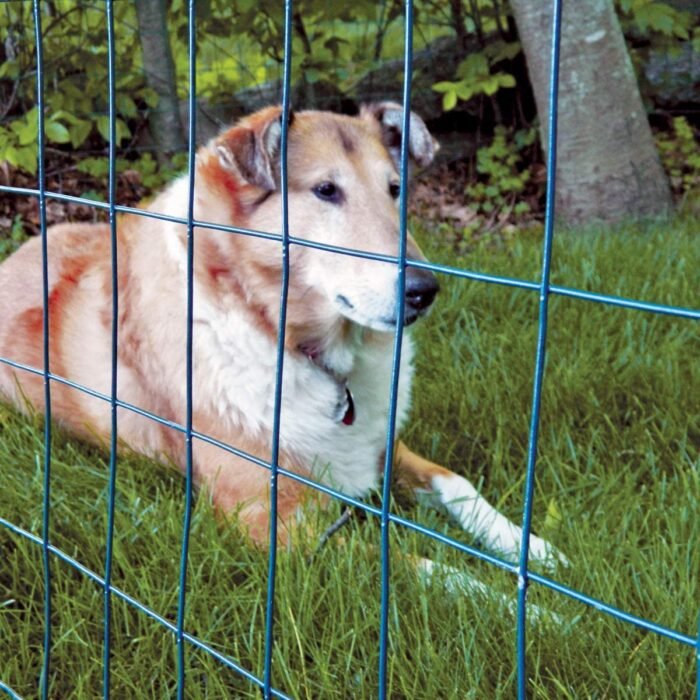
PVC-coated mesh adds an extra plastic layer over the steel wire. This coating provides additional corrosion protection and a more decorative appearance. It is often used in gardens, residential fences, and public spaces where aesthetics matter.
In simple terms:
Galvanized mesh
Better for heavy-duty and industrial applications.
PVC-coated mesh
Better for decorative fences or humid environments.
Basic Installation Guide
Installing welded mesh fencing is relatively straightforward. Most contractors follow a few simple steps.
Step 1 – Prepare Fence Posts
Install metal or wooden fence posts at intervals of about 2–3 meters. Step 2 – Unroll the Mesh
Roll the mesh along the fence line and align it with the posts.
Step 3 – Secure the Mesh
Attach the mesh to the posts using:
-
U-nails
-
Metal wire ties
-
Fence clips
Step 4 – Tighten the Fence
Pull the mesh tight before fixing the final attachment points to prevent sagging.
Step 5 – Trim Excess Wire
Cut off any extra mesh using wire cutters and fold sharp edges inward for safety.
Many farms combine welded mesh with barbed wire on the top of the fence to increase security for livestock boundaries.
FAQ – Frequently Asked Questions
What is the lifespan of galvanized welded mesh?
Depending on zinc coating thickness and environment, galvanized mesh can last between 10 and 20 years outdoors.
Is welded mesh stronger than chicken wire?
Yes. Welded mesh has rigid welded joints, while hexagonal wire mesh is woven and more flexible. Welded mesh generally provides higher structural strength.
Can the mesh be cut easily?
Yes. Standard wire cutters or bolt cutters can easily trim the mesh to the required size.
Is this mesh suitable for animal cages?
Yes. It is widely used for poultry cages, rabbit cages, and livestock fencing.
Can it be used for concrete reinforcement?
Heavier gauge welded panels are often used in construction reinforcement and floor slab support.
Final Thoughts
Choosing the right fencing material always depends on your project’s environment, durability requirements, and budget. For most agricultural, construction, and industrial applications, welded steel mesh offers an excellent combination of strength, affordability, and long service life.
Whether you are building livestock fences, protecting gardens, or installing safety barriers on a construction site, 4×4 welded wire mesh galvanized remains one of the most practical and trusted solutions available today.
If you are sourcing mesh for wholesale distribution or large-scale projects, working directly with a professional wire mesh manufacturer can help you obtain better pricing, consistent quality, and customized specifications.