
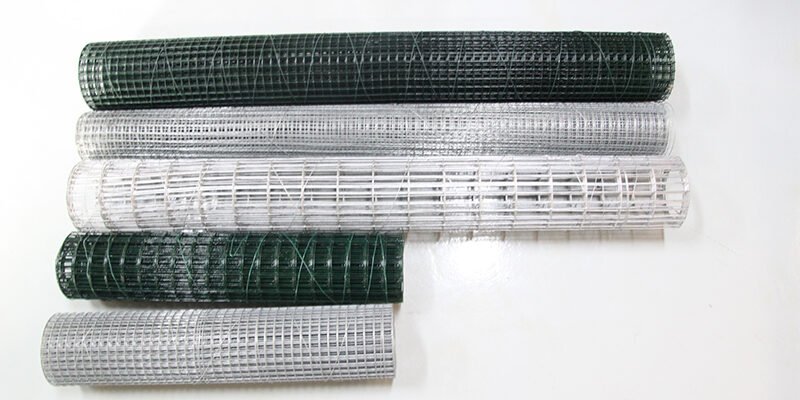
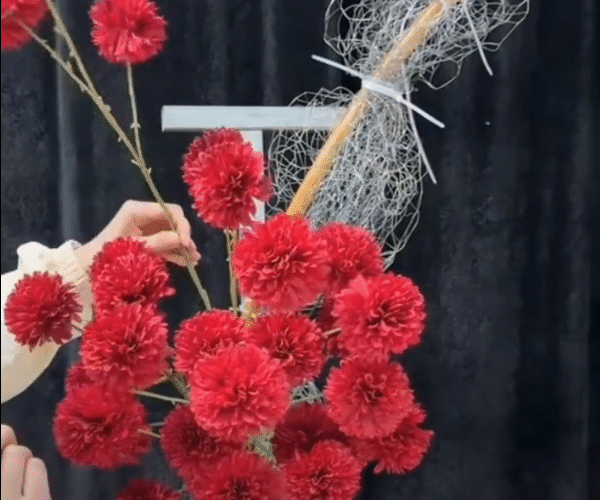
Decorative Wire Mesh for Architectural and Interior Applications
Decorative wire mesh has become an increasingly popular material in modern architecture and interior design. Combining durability with aesthetic appeal, decorative metal mesh panels are widely used in commercial buildings, residential projects, and public spaces.
Unlike traditional wire mesh designed purely for industrial purposes, decorative wire mesh focuses on both functionality and visual design. The woven or perforated metal patterns create unique textures, transparency effects, and lighting reflections, making it an ideal solution for architects and designers.
Decorative wire mesh panels are commonly manufactured from stainless steel, aluminum, brass, or copper, allowing them to meet different design requirements. With various patterns, wire diameters, and surface finishes available, decorative mesh can be customized to suit almost any architectural concept.
Because of its strength, flexibility, and corrosion resistance, decorative wire mesh is suitable for both indoor and outdoor applications.
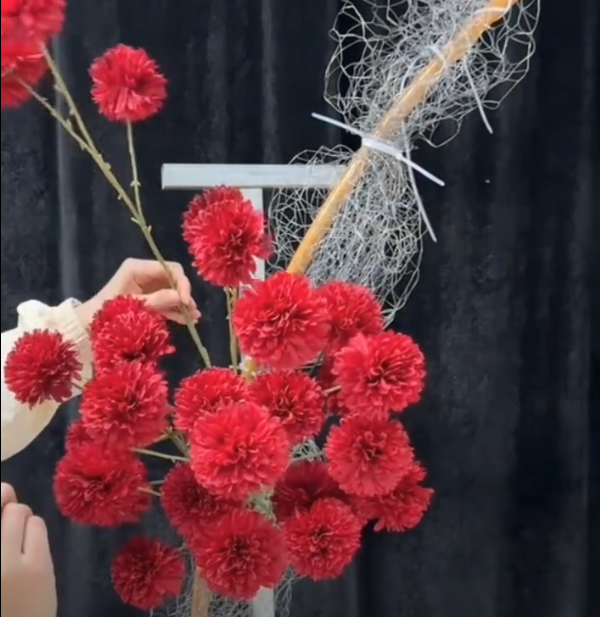
decorative wire mesh panel
Types of Decorative hexagonal wire mesh
Decorative wire mesh is available in several structural styles, each offering different visual effects and mechanical properties.
Woven Decorative Wire
Woven decorative wire mesh is produced by interlacing metal wires in specific patterns. This method creates elegant textures and patterns that are often used in architectural design.
Common uses include:
-
interior partitions
-
wall cladding
-
cabinet doors
-
ceiling decoration
The woven structure allows light and air to pass through while maintaining privacy and aesthetic appeal.
Perforated Decorative Metal Mesh
Perforated decorative mesh is made by punching holes into metal sheets. The holes can be round, square, or custom shapes.
Advantages include:
-
uniform appearance
-
strong structural support
-
modern architectural style
This type of mesh is frequently used for building facades and sun shading panels.
Expanded Decorative Metal Mesh
Expanded mesh is produced by cutting and stretching metal sheets into diamond-shaped openings. This process creates a lightweight yet strong mesh panel.
Expanded decorative mesh is commonly used for:
-
exterior wall decoration
-
stair railings
-
protective architectural screens
-
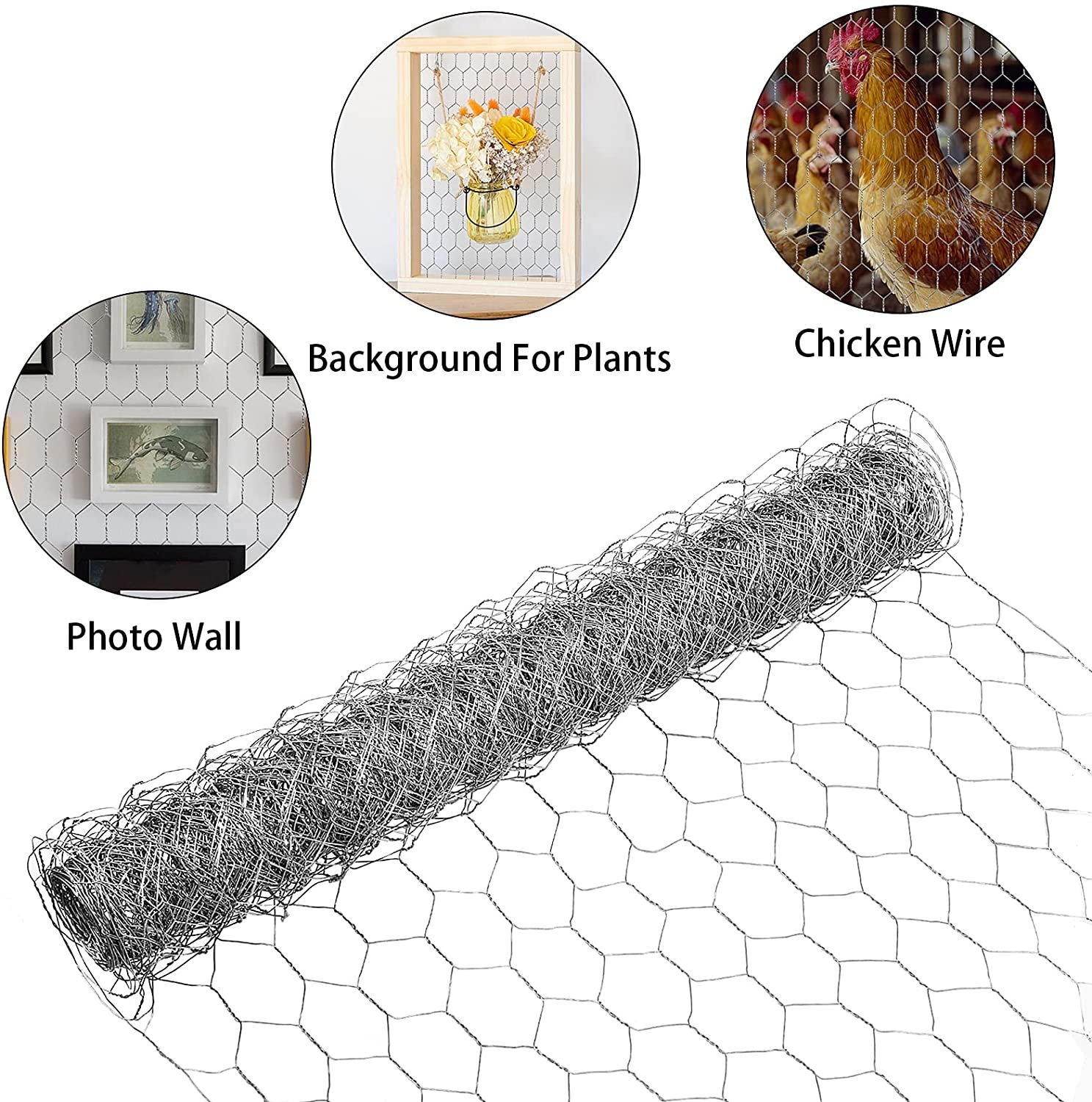
architectural metal mesh facade
Architectural Cable Mesh
Cable mesh is a flexible decorative wire mesh made from stainless steel cables and rods. It is widely used in large architectural projects.
Typical applications include:
-
building facades
-
zoo enclosures
-
safety barriers
-
large decorative installations
Cable mesh offers excellent flexibility and a modern architectural appearance.
Materials Used in Decorative Wire Mesh
Different materials provide different visual effects and performance characteristics. Choosing the right material is important for long-term durability and design aesthetics.
Stainless Steel hexagonal wire Mesh
Stainless steel is the most popular material for decorative wire mesh due to its excellent corrosion resistance and high strength.
Advantages include:
-
strong durability
-
rust resistance
-
modern metallic appearance
-
suitable for indoor and outdoor use
Aluminum Decorative Mesh
Aluminum decorative mesh is lightweight and easy to install. It is commonly used in interior decoration and building facades.
Benefits include:
-
lightweight structure
-
corrosion resistance
-
easy fabrication
-
modern architectural style
Brass and Copper Decorative Mesh
Brass and copper mesh provide a luxurious and classic appearance. These materials are often used in high-end interior design projects.
Typical uses include:
-
hotel decoration
-
restaurant interiors
-
luxury residential projects
Over time, copper and brass develop natural patina finishes that enhance their decorative effect.
Surface Finishes for Decorative Mesh
Surface finishing is an important factor in decorative metal mesh design. Different finishes enhance durability and create unique visual effects.
Common finishes include:
-
powder coating
-
brushed finish
-
antique finish
-
PVD coating
-
anodized aluminum
These finishes allow architects to match decorative mesh panels with the overall building design and color scheme.
Advantages of Decorative Mesh Panels
Decorative wire mesh provides several advantages compared with traditional architectural materials.
Aesthetic Design
The unique patterns and metallic textures create visually attractive architectural elements.
High Durability
Metal mesh panels are strong and resistant to corrosion, making them suitable for long-term use.
Good Ventilation and Light Transmission
The open structure allows airflow and natural lighting, which improves building comfort and energy efficiency.
Flexible Customization
Decorative mesh panels can be customized in various sizes, patterns, and finishes to meet different architectural requirements.
Applications of Decorative Wire Mesh
Architectural Facades
Decorative metal mesh panels are frequently installed on building facades to create modern architectural appearances. They also function as shading systems and ventilation screens.
Interior Partitions
In interior design, decorative mesh panels are used to create stylish partitions in offices, restaurants, and hotels.
Ceiling Decoration
Metal mesh ceilings provide a modern industrial style while allowing lighting systems and ventilation to pass through the mesh.
Railings and Balustrades
Decorative mesh panels can be installed in stair railings and balcony guardrails, offering both safety and aesthetic value.
Furniture and Cabinet Design
Many designers use decorative metal mesh for cabinet doors, furniture panels, and display cabinets.
How to Choose the Right Decorative Wire Mesh
Mesh Opening Size
The mesh opening determines transparency and visibility. Smaller openings provide more privacy, while larger openings allow more light.
Wire Diameter
Thicker wires provide greater strength and durability, which is important for exterior architectural applications.
Material Type
Different materials provide different appearances and corrosion resistance levels.
Surface Finish
Choose a finish that matches the architectural style and provides the required durability.
Installation Methods for Decorative Wire Mesh Panels
Decorative wire mesh panels can be installed using several methods depending on the project design.
Common installation methods include:
-
metal frame mounting
-
cable tension systems
-
direct panel fixing with fasteners
Proper installation ensures structural stability and long-term performance.
FAQ
What is decorative wire mesh used for?
Decorative wire mesh is widely used in architectural facades, interior partitions, railings, ceilings, and furniture design.
Is decorative wire mesh suitable for outdoor use?
Yes. Stainless steel and aluminum decorative mesh panels offer excellent corrosion resistance and are suitable for exterior architectural applications.
Can decorative wire mesh be customized?
Yes. Manufacturers can customize mesh patterns, wire diameters, panel sizes, and surface finishes according to project requirements.
What materials are commonly used for decorative mesh panels?
Common materials include stainless steel, aluminum, brass, and copper.
Conclusion
Decorative wire mesh combines functionality, durability, and aesthetic design, making it an ideal material for modern architecture and interior decoration. With a wide range of materials, patterns, and finishes available, decorative metal mesh panels can meet the creative requirements of architects and designers.
Whether used for building facades, interior partitions, railings, or ceiling systems, decorative wire mesh provides a practical and visually appealing architectural solution.
For large construction projects or wholesale requirements, choosing a reliable manufacturer ensures consistent quality and competitive pricing.
Factory Advantages
As a professional manufacturer of steel wire panels and fencing products, our factory is built to support large-volume, stable, and customized B2B supply.
1. Manufacturer-Direct Pricing
We operate our own production lines, eliminating middlemen and offering competitive factory prices for wholesalers, distributors, and project buyers.
2. Automated Welding Production
Advanced automatic welding machines ensure:
-
Consistent panel dimensions
-
Strong and uniform weld points
-
Stable quality across bulk orders
This guarantees reliability for long-term cooperation.
3. Custom Specifications Available
We support OEM and customization, including:
-
Wire diameter and mesh opening
-
Panel size and structure
-
Surface treatment (galvanized, PVC coated)
-
Packaging and private labeling
Ideal for different regional standards and market demands.
4. Strict Quality Control
From raw material inspection to final packing, every step follows internal QC procedures to ensure durability, strength, and corrosion resistance.
5. Strong Bulk Supply Capacity
With sufficient raw material stock and scalable production, we can handle:
-
Large wholesale orders
-
Project-based quantities
-
Continuous monthly supply
6. Export-Oriented Packaging & Logistics
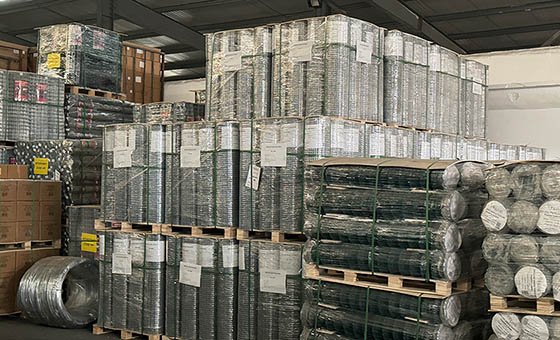
Panels are packed in bundles or pallets, suitable for container loading, helping buyers reduce freight cost and damage risk during transportation.
7. Experienced B2B Export Team
Our team understands international trade requirements and provides support for:
-
Technical specifications
-
Documentation
-
On-time delivery coordination
Related Posts

Post a Comment