
How to Put Razor Wire on Fence: A Practical, Safe & Effective Installation Guide
Understanding how to put razor wire on fence is essential for anyone looking to upgrade perimeter protection for industrial facilities, farms, construction sites, or private property. When installed correctly, razor-style security coils create a powerful physical barrier that deters intruders and enhances overall safety. Below is a complete, easy-to-follow tutorial that covers what to prepare, how to install it step by step, and how to maintain the system for long-term performance.
1. What You Need Before Installing Razor Wire
Before handling any type of blade wire, proper preparation is critical. These sharp-edged coils are extremely effective, but they must be managed with caution.
Tools and materials needed include:
-
Heavy-duty protective gloves and long-sleeve clothing
-
Eye protection and sturdy boots
-
Binding wire or metal clips
-
Pliers, tensioning tools, and a ladder
-
Mounting brackets such as Y-posts, V arms, or straight support arms
Choose the support system that fits your existing fence—chain-link fences often use Y-shaped arms, while concrete walls or steel panels may use straight brackets. Planning the installation path in advance will help avoid unnecessary adjustments later.

2. Step-by-Step Guide: Installing Razor Coils Correctly
Step 1: Measure the installation area
Determine the total perimeter length and calculate how many rolls you need. Most coils expand between 8–12 meters depending on the model.
Step 2: Install mounting brackets
Secure brackets at consistent intervals along the top of your fence. Make sure each bracket is tightly fastened so it can bear the tension of the security wire.
Step 3: Carefully open the coil
This is where safety matters most. Razor coils expand with significant force when unrolled. Open the coil slowly while maintaining a controlled grip.
Step 4: Fix the coil onto the brackets
Use binding wires, clips, or C-rings to attach the coil to each bracket. Keep the coil elevated and ensure each loop rests firmly on the support arms.
Step 5: Maintain even tension
Stretch the coils gradually along the entire line. Proper tension not only improves appearance but also strengthens the protective function.
Step 6: Inspect and reinforce
Once installed, walk the full length of the fence and check for loose spots. Use additional binding points where necessary to reinforce stability.
This is the second and final time the keyword appears:
For anyone learning how to put razor wire on fence, following these steps minimizes risk and ensures the barrier performs exactly as intended.
3. Maintenance Tips & Long-Term Safety
Like any security system, razor-style fencing benefits from regular inspection. Check for corrosion, loose ties, or coils that may have shifted due to wind or animal activity. Replace damaged segments promptly and tighten any weakened fasteners.
Environmental conditions such as coastal humidity, heavy rainfall, or extreme heat can affect metal components over time. Choosing hot-dip galvanized or stainless options will greatly extend lifespan.
Be mindful of local regulations as well. Some regions require warning signs or specific installation heights when using sharp-edged fencing. These precautions protect both property owners and bystanders.
Buying Guide: Get the Right Razor Wire for Your Fence
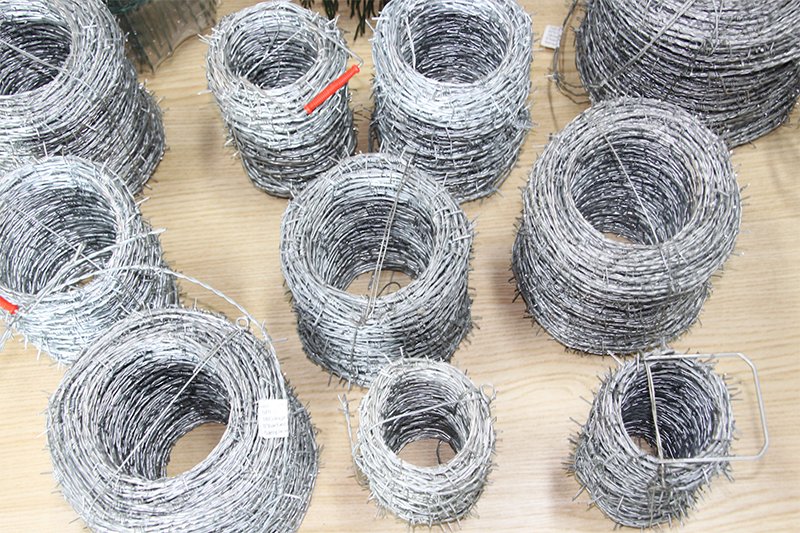
When choosing razor wire, consider coil type, length, wire thickness, and coating. Hot-dip galvanized or PVC-coated coils offer better corrosion resistance and long-term durability. Match the coil to your fence type—chain-link, wall-top, or standalone barriers—to ensure secure installation.
For fast quotes, bulk pricing, or personalized advice, contact me directly on WhatsApp: +18830227875. Get your razor wire delivered safely and upgrade your security today!
Recommended Products
-
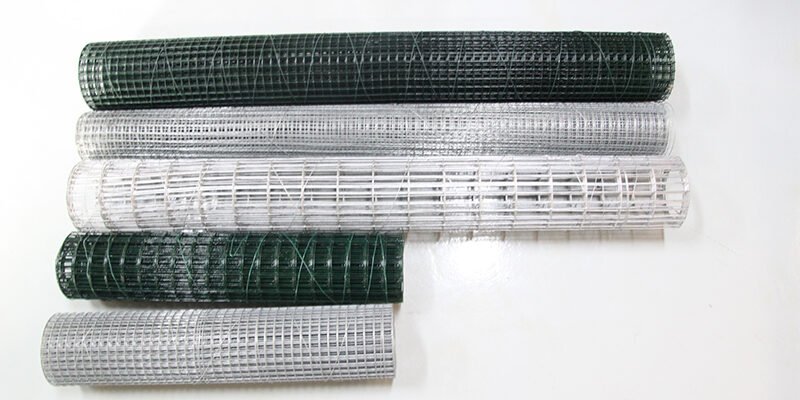
Welded Wire Mesh
Durable mesh with uniform openings for fencing, garden trellises, and small animal enclosures.
View Product -
Razor Wire
High-strength wire suitable for farm, industrial, and security fencing. Provides long-lasting protection.
View Product -
Iron Wire
Versatile wire for construction, binding, and DIY projects. Strong, flexible, and easy to use.
View Product
Related Posts

Post a Comment