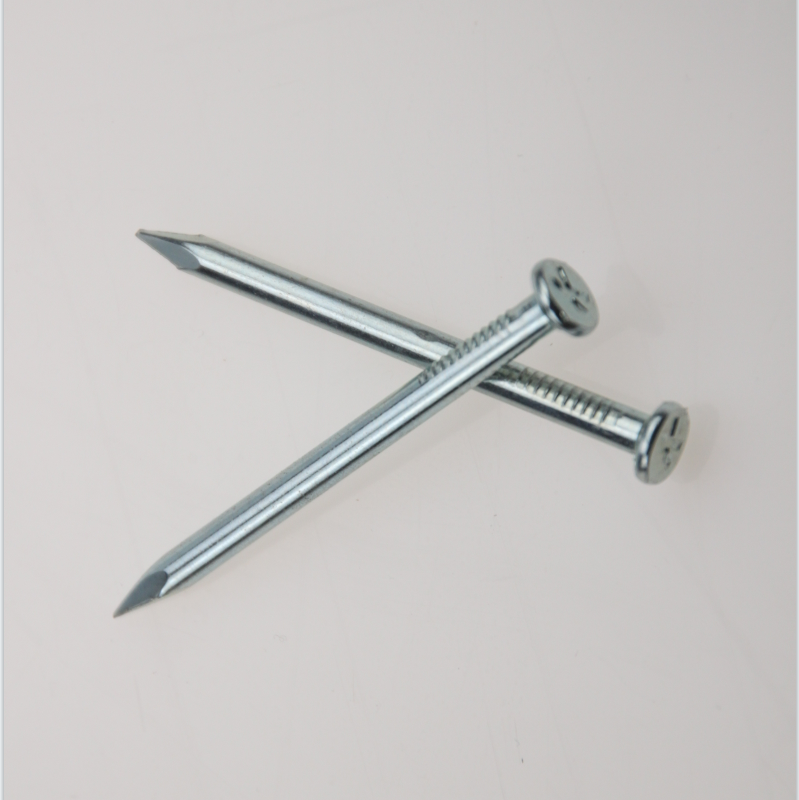
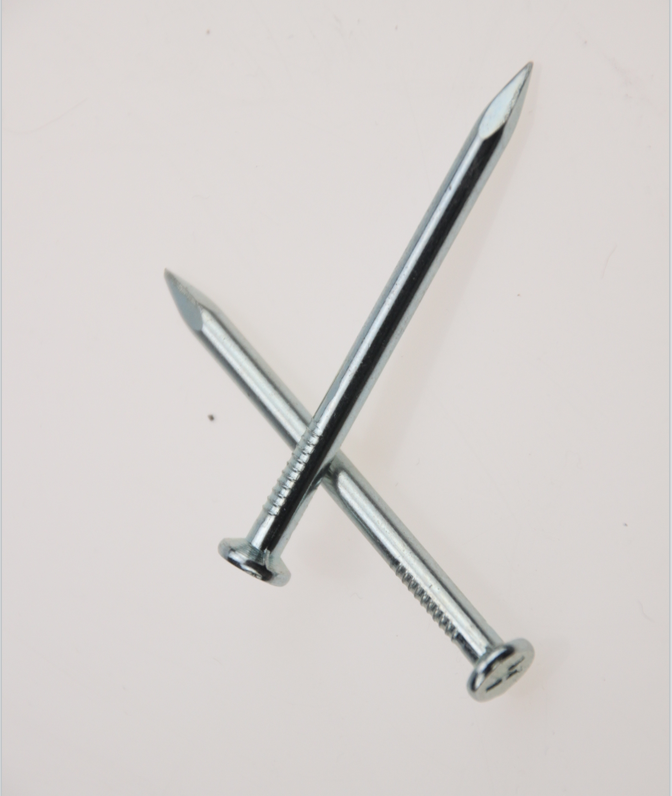
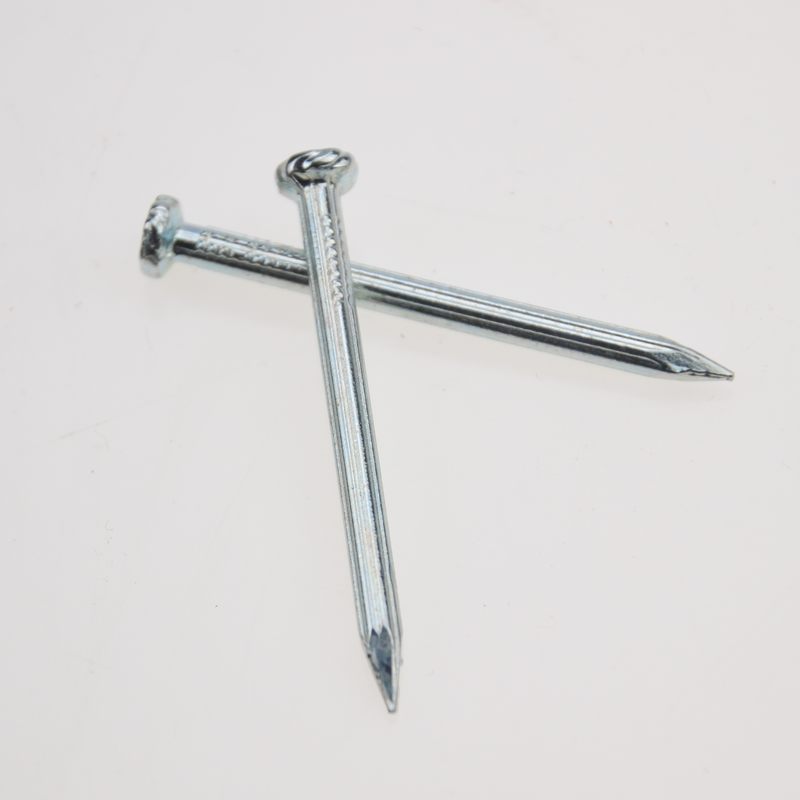
Steel nail is one of the most essential fasteners used across modern construction, woodworking, renovation, and industrial manufacturing. In my daily work with metal fasteners, I rely on steel nails whenever I need a strong, reliable, and long-lasting connection between wood, composite materials, or structural components.
Their durability, versatility, and high tensile strength make them indispensable on any job site. Steel nails are typically manufactured from high-quality carbon steel wire that is drawn, cut, and formed into a shank with a sharp point and a defined head shape.
This precise manufacturing process ensures consistent performance, excellent penetration into wood, and secure holding power even under heavy loads. Unlike softer materials, steel provides exceptional resistance to bending, shearing, and deformation, which is why steel nails perform so well in framing, roofing, formwork, decking, and general carpentry.
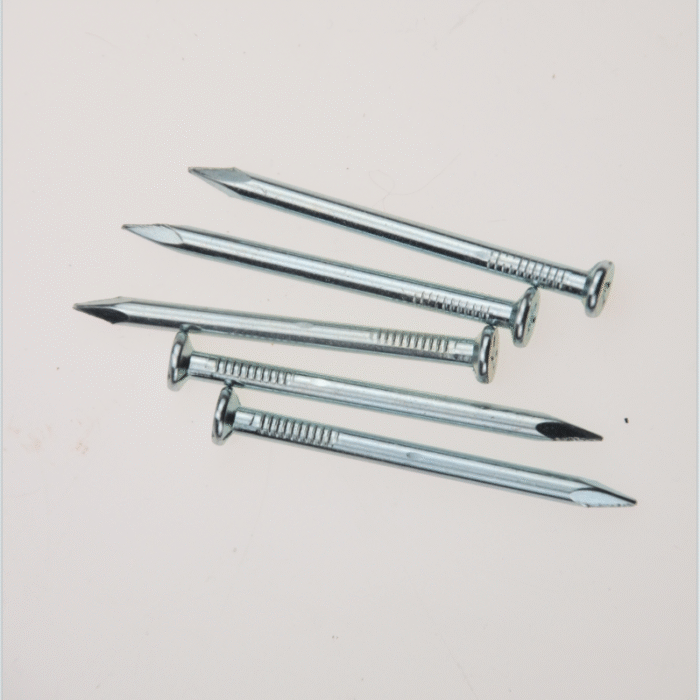
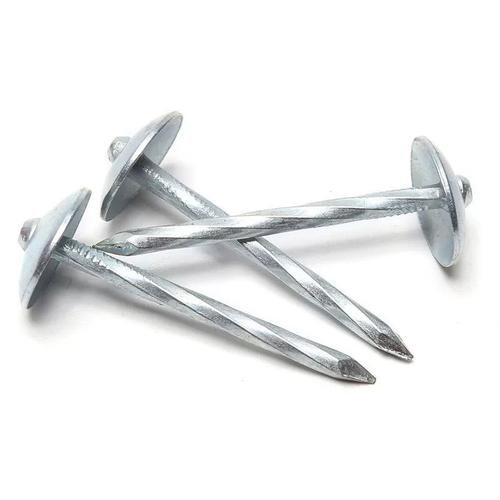
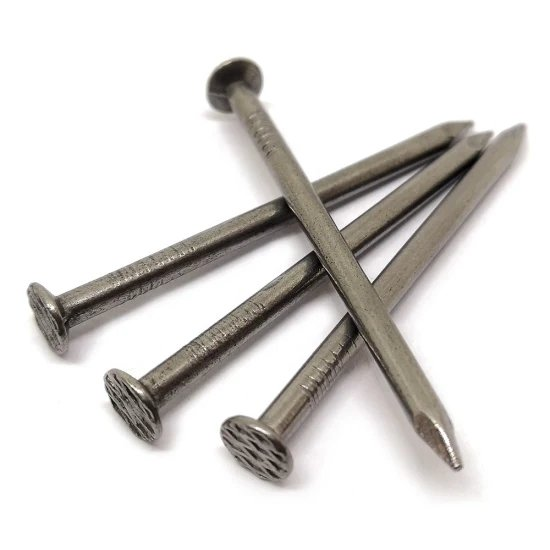
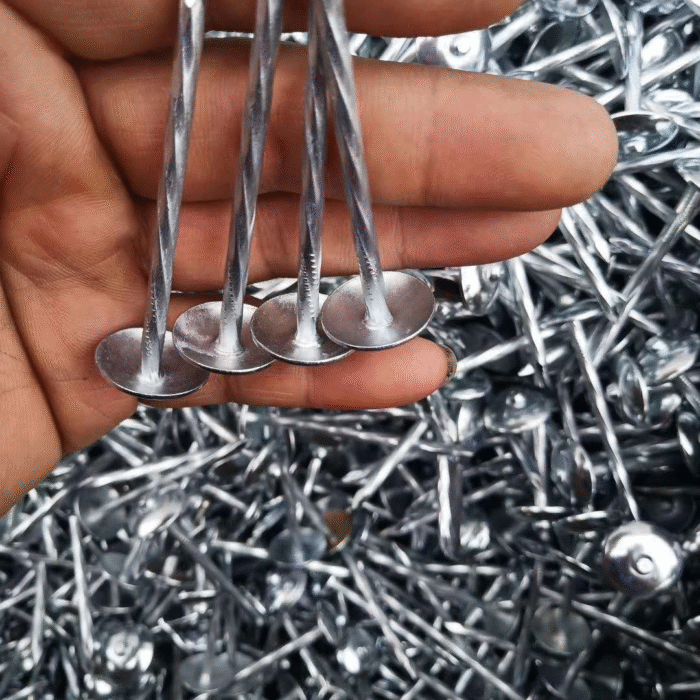
Depending on the application, steel nails are available in multiple types—such as common nails, concrete nails, finishing nails, roofing nails, duplex nails, and more. Each type serves a specific purpose, from structural framing to detailed trim work.
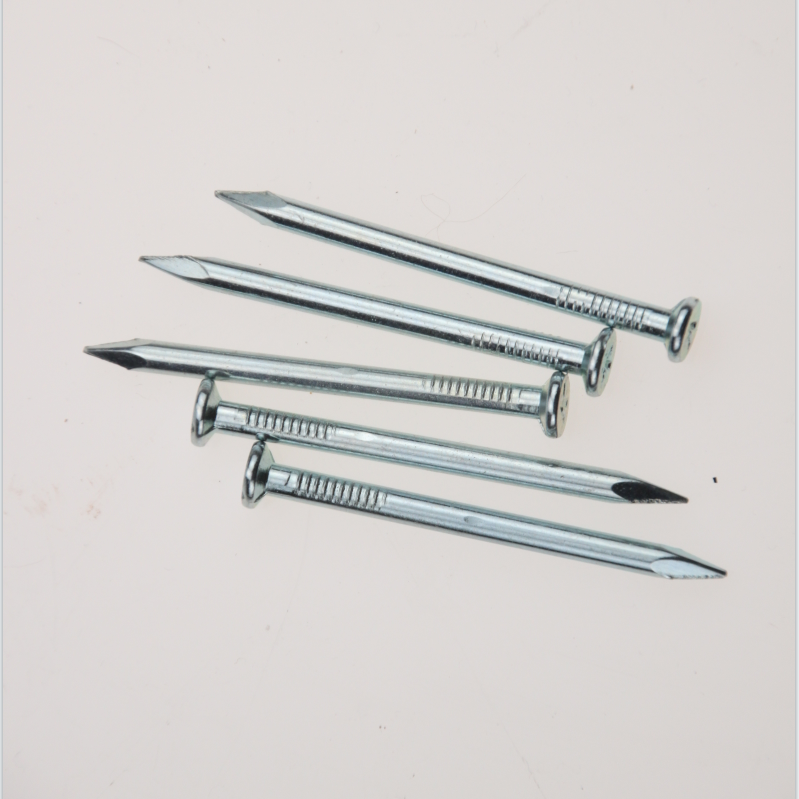
Surface coatings also vary: **bright steel** is suitable for indoor use, while **electro-galvanized**, **hot-dip galvanized**, or **vinyl-coated** options are ideal for outdoor environments where corrosion resistance is required.